

 English




















Top 5 US & Canadian Cities for Digital Nomads in 2026 (Internet & Rent Rated)


The era of “work from anywhere” didn’t end with the corporate return-to-office mandates; it simply evolved. For the true remote workers, freelancers, and entrepreneurs, the map is wide open. But if you are currently plotting your next move, you already know the major problem with most travel blogs: they keep recommending cities you can’t afford.
If you are looking for the top US and Canadian cities for digital nomads, you need to ignore the traditional tourist traps. Yes, Toronto and San Francisco are incredible, but spending $3,000 a month on a studio apartment defeats the financial leverage of being a digital nomad.
In 2026, the smart money is moving to mid-sized hubs. We are talking about cities that offer sub-$1,500 rents, municipal gigabit fiber internet, and coffee shops that actually want you to sit there with your laptop for three hours.
Here is our data-backed ranking of the top 5 North American cities for remote workers in 2026.
Table of Contents
- Interactive Nomad Dashboard: Compare the Data
- Chattanooga, Tennessee (The Internet King)
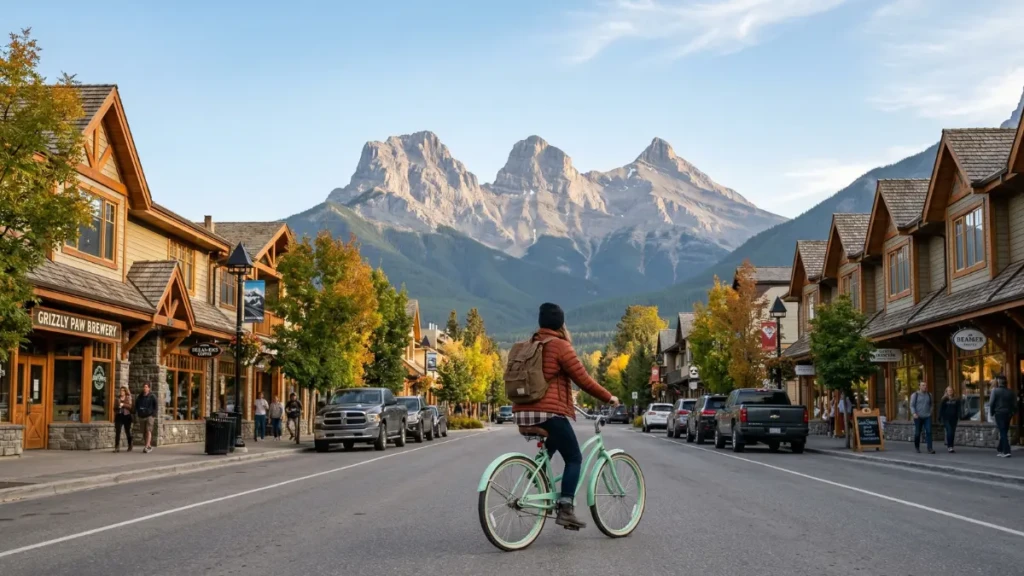
- Calgary, Alberta (The Tax-Free Mountain Hub)
- Tucson, Arizona (The Desert Tech Oasis)
- Halifax, Nova Scotia (The Oceanfront Innovator)
- Raleigh, North Carolina (The Remote Triangle)
- Expert Insight: Navigating Cross-Border Taxes
- Frequently Asked Questions (FAQ)
Interactive Nomad Dashboard: Compare the Data
Before we dive into the specific vibes of each city, use this interactive tool to sort our top 5 cities based on your personal priorities. Need the absolute fastest Wi-Fi? Sorting by internet speed. Need to save cash? Sort by rent.Show me the visualisation
1. Chattanooga, Tennessee (The Internet King)
- Average 1BR Rent: $1,200 USD
- Average Internet Speed: 1,000+ Mbps (Municipal Fiber)
- Coffee Shop Culture: 8/10
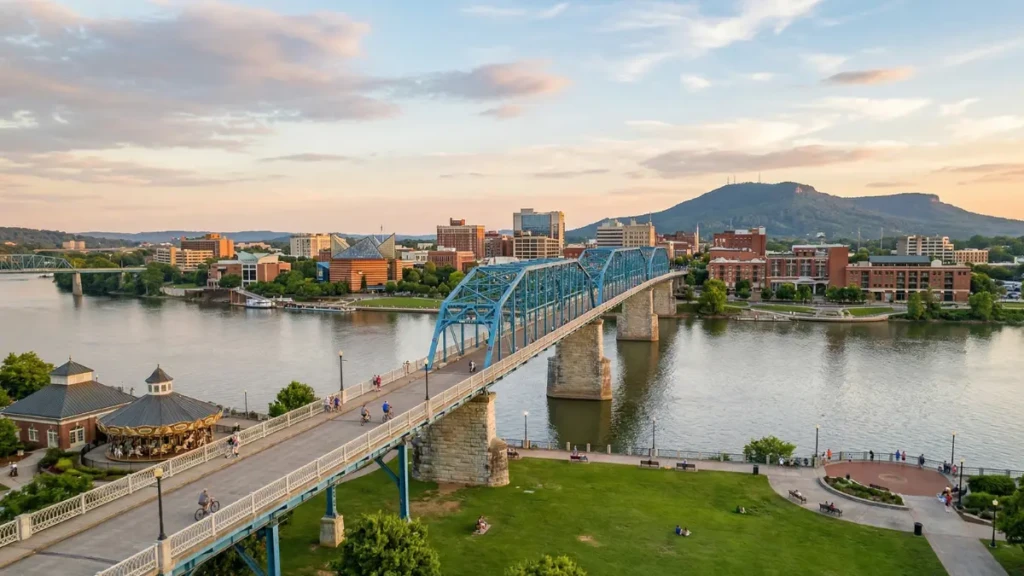
Often overshadowed by Nashville, Chattanooga is arguably the most strategic digital nomad base in the United States. Why? Because it was the first city in the Western Hemisphere to offer 1-gigabit internet to all residents via a city-owned network, affectionately earning it the nickname “Gig City.”
The Vibe: It sits nestled in the Appalachian Mountains, making it a haven for hikers and mountain bikers. The downtown is highly walkable, and the cost of living remains stubbornly low compared to the rest of the country.
- Where to Work: Velo Coffee Roasters for incredible espresso, or Society of Work for a premium, fast-connection coworking space.
2. Calgary, Alberta (The Tax-Free Mountain Hub)

- Average 1BR Rent: $1,350 CAD
- Average Internet Speed: 400 Mbps
- Coffee Shop Culture: 9/10
While remote workers are fleeing the skyrocketing rents of Vancouver and Toronto, they are landing in Calgary. It is currently one of the most exciting tech and nomad hubs in Canada. The biggest financial draw? Alberta has no provincial sales tax (PST), meaning you automatically save 7% to 8% on daily purchases compared to other Canadian provinces.
The Vibe: It is a clean, modern, and rapidly diversifying city located just an hour from the world-class hiking and skiing of the Rocky Mountains (Banff). The downtown core is connected by the “+15” network, a series of enclosed skywalks so you can walk to coffee shops in the winter without going outside.
- Where to Work: Monogram Coffee has multiple locations with stellar Wi-Fi and plenty of outlets, making it a default remote work sanctuary.
3. Tucson, Arizona (The Desert Tech Oasis)
- Average 1BR Rent: $1,100 USD
- Average Internet Speed: 300 Mbps
- Coffee Shop Culture: 7/10
If you are a “snowbird” nomad trying to escape the winter, Tucson is your cheapest and most culturally rich option in the American Southwest. It is significantly more affordable than Phoenix or Austin, and boasts a massive, vibrant culinary scene (it was the first city in the US to be named a UNESCO City of Gastronomy).
The Vibe: Laid-back, sunny 300 days a year, and heavily influenced by Mexican culture and the nearby University of Arizona. It’s perfect for nomads who want to finish work at 3 PM and go mountain biking among the Saguaro cacti.
- Where to Work: Exo Roast Co. offers a moody, focused environment with excellent cold brew.
4. Halifax, Nova Scotia (The Oceanfront Innovator)
- Average 1BR Rent: $1,250 CAD
- Average Internet Speed: 300 Mbps
- Coffee Shop Culture: 9/10
Halifax has quietly transformed into Canada’s eastern remote work capital. It offers the oceanfront lifestyle of a massive coastal city but with the friendly, accessible vibe (and pricing) of a maritime town.
The Vibe: Unpretentious, highly walkable, and packed with more pubs and cafes per capita than almost anywhere else in Canada. The local government has invested heavily in attracting tech talent, meaning the coworking infrastructure is excellent.
- Where to Work: Cabin Coffee provides a cozy, wood-paneled maritime aesthetic, while Volta is one of the best innovation/coworking hubs in the country.
5. Raleigh, North Carolina (The Remote Triangle)
- Average 1BR Rent: $1,400 USD
- Average Internet Speed: 500 Mbps
- Coffee Shop Culture: 8/10
Part of the famous “Research Triangle,” Raleigh has the highest concentration of tech infrastructure on this list outside of Chattanooga. While rent has crept up slightly in 2026, it remains an incredible value when you factor in the high quality of life, access to nature, and sheer volume of fellow remote professionals.
The Vibe: It feels like a city built in a forest. It is clean, heavily educated, and extremely welcoming to transplants. You will never be short of networking events or fast Wi-Fi connections here.
- Where to Work: Jubala Coffee is legendary among local remote workers for its fast internet and incredible sweet potato biscuits.
If you are planning to cross borders for your next stay, make sure you review our [Internal Link: Ultimate Guide to Travel Insurance for Digital Nomads in 2026].
Expert Insight: Navigating Cross-Border Taxes
We spoke with David Chen, a CPA specializing in expatriate and digital nomad taxation, about the biggest mistake North American nomads make.
“If you are an American moving to Calgary or Halifax for six months, or a Canadian heading to Tucson to escape the winter, you cannot ignore the tax man. The rule of thumb in 2026 is the 183-day rule. If you spend more than 183 days in a foreign country within a 12-month period, you may trigger tax residency. Always maintain a clear, documented primary residence in your home country, and consult a cross-border accountant before you sign a 12-month lease abroad.”
Frequently Asked Questions (FAQ)

Do I need a special visa to be a digital nomad in the US or Canada? If you are an American working remotely in Canada (or vice versa) for a short period (under 6 months), you generally enter as a standard visitor/tourist. You cannot enter the local labor market (e.g., you cannot get a job at a local cafe), but you can continue doing remote work for your home-country employer. Always tell border agents you are visiting for “tourism” while maintaining your job back home, rather than saying you are “moving there to work.”
Is Airbnb still the best way to find digital nomad housing? In 2026, Airbnb is often too expensive for stays longer than two weeks due to exorbitant cleaning and service fees. Savvy nomads are using platforms like Furnished Finder, local Facebook housing groups, or negotiating month-to-month leases directly with local boutique apartment buildings.
How do I handle mail while traveling full-time? Use a virtual mailbox service like Traveling Mailbox (US) or eSnail (Canada). They give you a physical street address, receive your mail, scan the envelopes, and let you decide whether to have them opened and scanned as a PDF, shredded, or forwarded to your current Airbnb.
Are coworking spaces worth the monthly fee? If you require taking multiple Zoom calls a day, yes. While coffee shops are great for deep, silent work, taking heavy meetings in a public cafe is frowned upon (and often noisy). A $200/month “hot desk” at a coworking space is a business expense that guarantees fast Wi-Fi and quiet phone booths.
Ready to Pack Your Bags?
The beauty of the digital nomad lifestyle is agility. If a city doesn’t fit your vibe, your lease is only 30 days long. Whether you want the ultra-fast fiber optics of Chattanooga or the ocean breezes of Halifax, the infrastructure to support your career is already there. Pick your destination, book a one-way ticket, and log on.
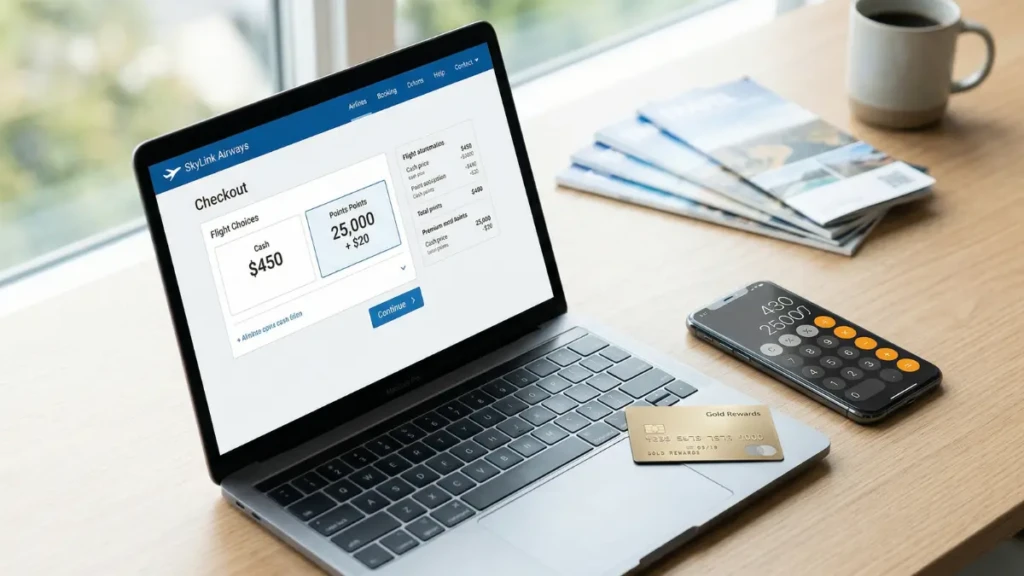
Want to maximize your flight points before you go? Read our breakdown on [Should You Book Flights with Points or Cash? The 2026 Math Explained].
For official border policies, always consult the [: US Customs and Border Protection] or [ Government of Canada Immigration] websites before traveling.


How to Maximize Cash-Back Apps for Groceries in the USA
10th Apr 2026[…] Top 5 US & Canadian Cities for Digital Nomads in […]
How to Get Deodorant Stains Out of Black Shirts (Under 5
11th Apr 2026[…] Top 5 US & Canadian Cities for Digital […]
The Best Clear-Gel Antiperspirants That Won’t Stain Dark Clothes (2026 Review)
11th Apr 2026[…] Top 5 US & Canadian Cities for Digital […]