

 English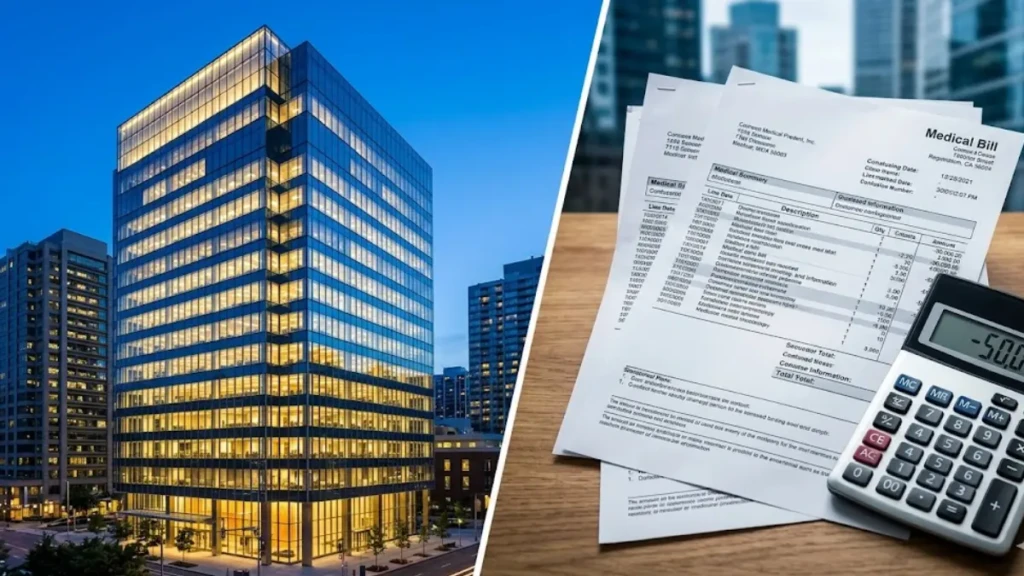

































Online vs Offline Business: Which Is Better in 2026?

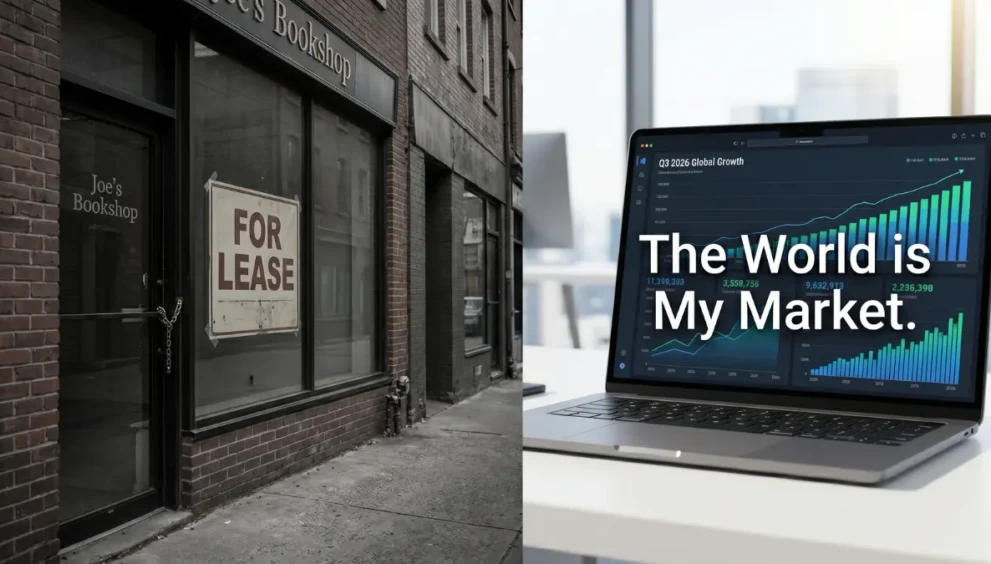
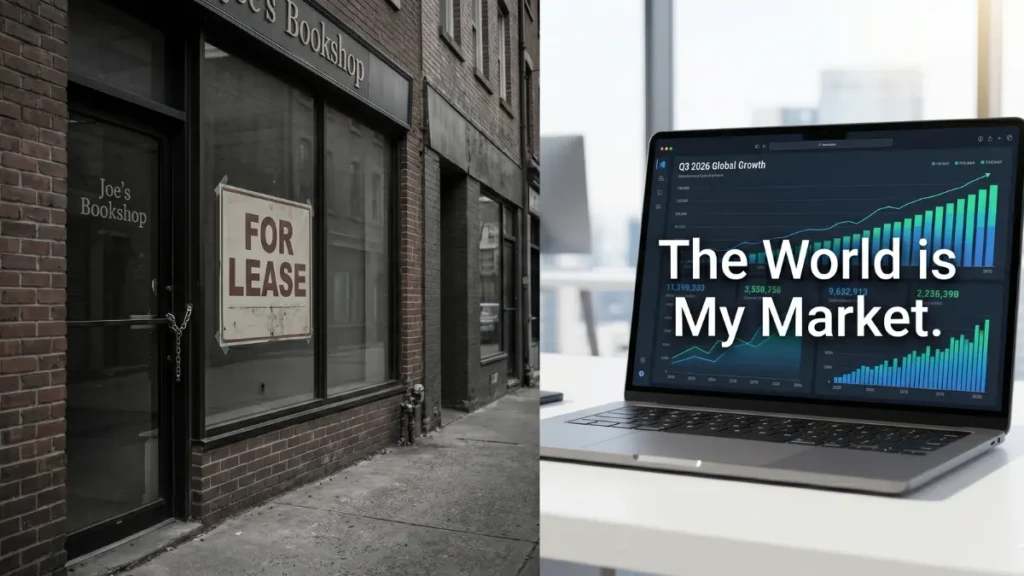
For decades, the ultimate entrepreneurial dream was opening a physical storefront. Having your name on a brick-and-mortar building felt like the ultimate symbol of success. In 2026, that physical building is no longer a trophy; for most founders, it is a massive, wealth-draining financial anchor.
When you evaluate the online vs offline business models today, you aren’t just comparing two different ways to sell. You are comparing two entirely different mathematical realities.
An offline business scales by taking on physical liabilities—leases, inventory, and local payroll. An online business scales through leverage—code, content, and automation. If you want to build a brand that generates high margins without trapping you in a single geographical location, you have to look at the hard data.
Here is the analytical breakdown of why the digital model dominates 2026, and how to structure your business for maximum profitability.
Table of Contents
- The Mathematics of Overhead (Rent vs. Infrastructure)
- Scalability: The “Global Income” Reality
- Customer Acquisition: Foot Traffic vs. Predictable Revenue
- The 2026 Multiplier: AI Integration
- When Does an Offline Business Still Make Sense?
- Expert Insight: The Authority Shift
- Frequently Asked Questions (FAQ)
1. The Mathematics of Overhead (Rent vs. Infrastructure)
The clearest distinction in the online vs offline business debate is the barrier to entry and the monthly “burn rate.”
The Offline Reality: To open a standard physical business, you must sign a multi-year commercial lease, purchase physical inventory, pay for local permits, and hire staff to stand at a cash register. Before you make a single dollar, you are often $50,000 to $100,000 in debt, with a fixed monthly overhead of $10,000+.
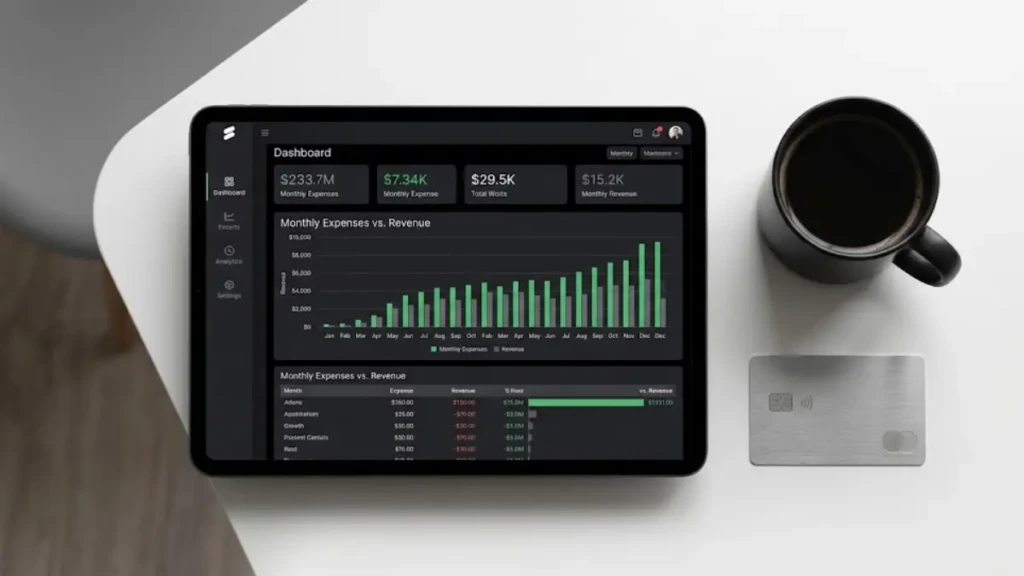
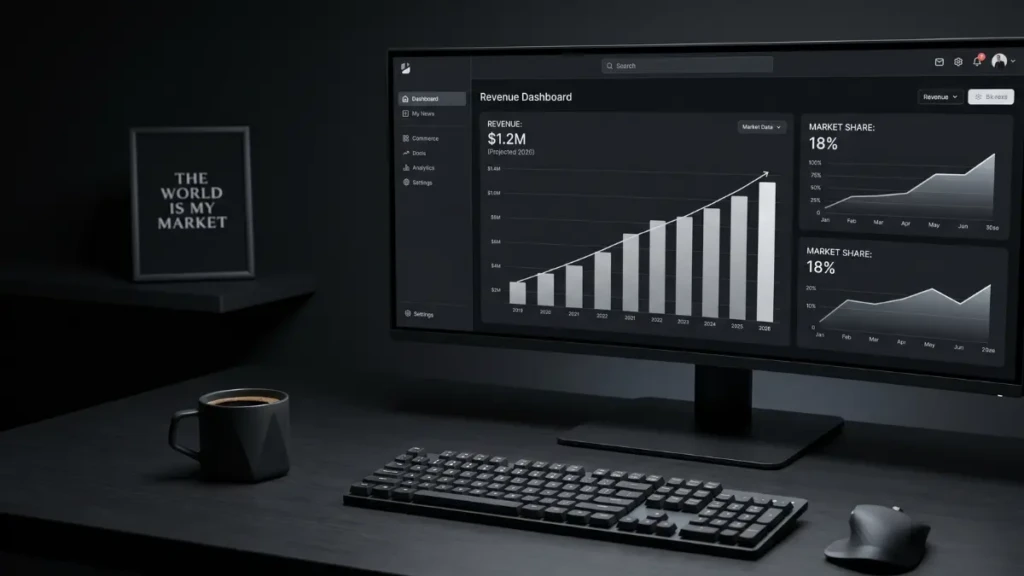
The Online Reality: Digital infrastructure costs virtually nothing. You can launch a professional, high-performance domain like https://www.google.com/search?q=trickmentor.com for less than the cost of a business lunch. Your “rent” is premium web hosting ($30/month), and your “storefront” is an optimized digital platform. Because your overhead is microscopically low, your profit margins can comfortably sit between 70% and 90%.
2. Scalability: The “Global Income” Reality
A physical business is geographically capped. If you open a marketing agency in a specific neighborhood, your potential client base is limited to a 20-mile radius. You are fighting for scraps in a localized pond.
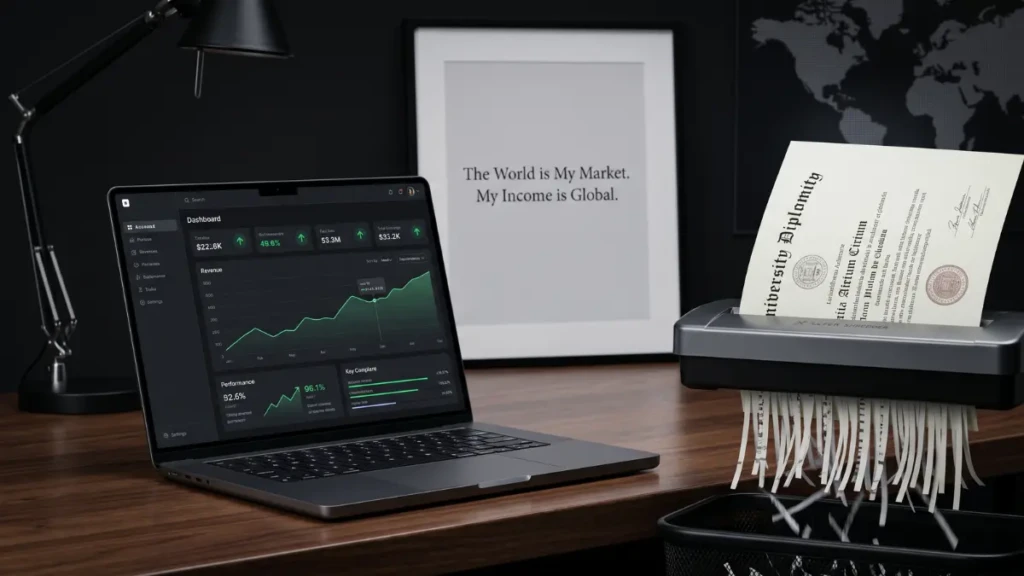
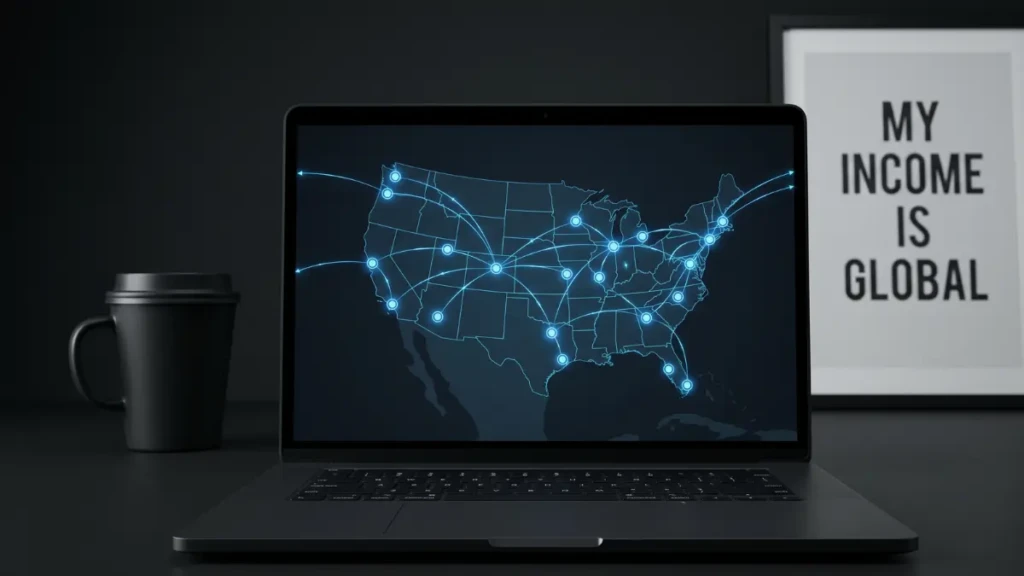
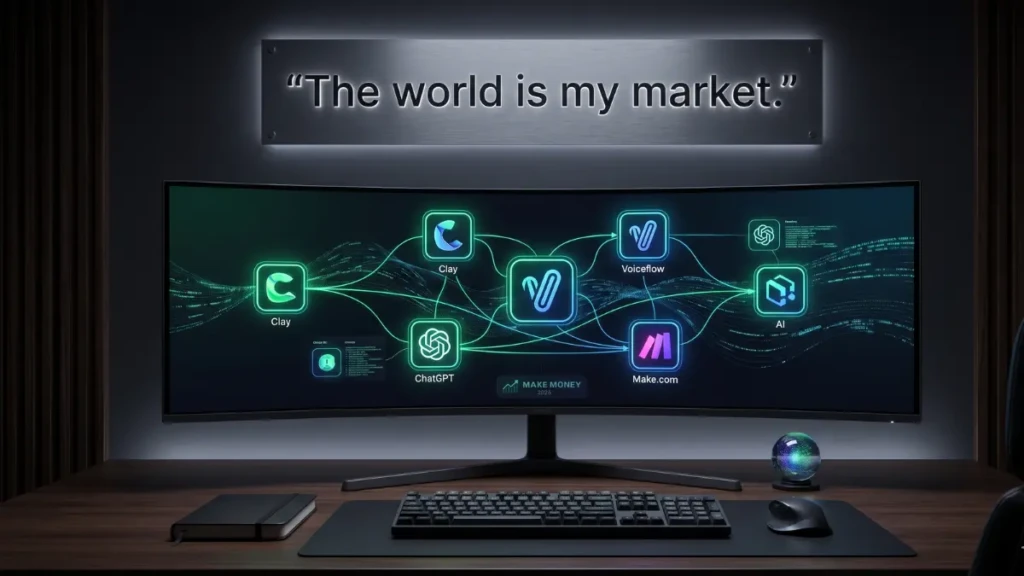
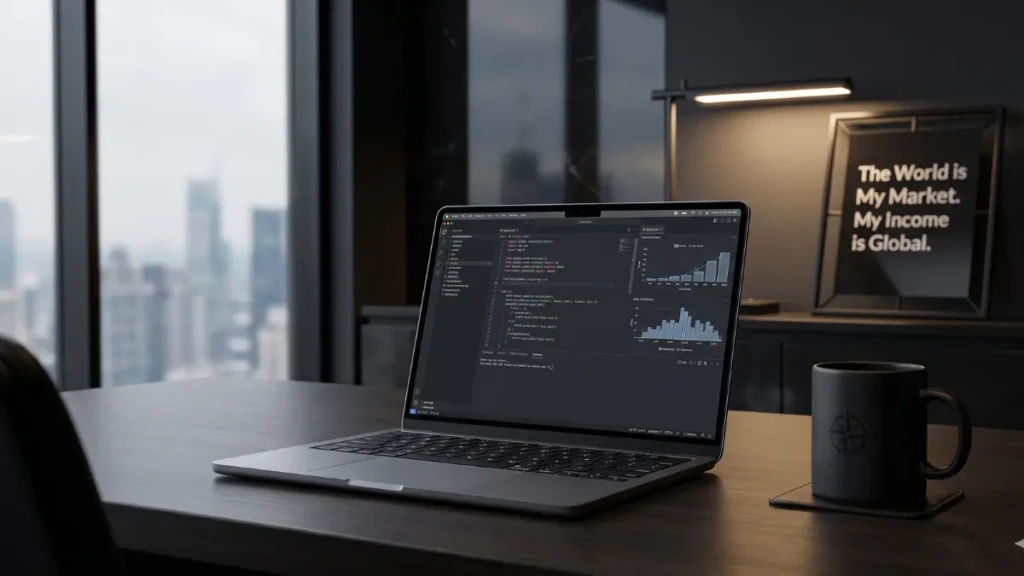
In the digital arena, you operate under a completely different paradigm: The world is my market. My income is global.
By building an online business, you decouple your income from your physical location. You can sit at a minimalist desk in one country while your SEO-driven content captures high-intent traffic across the USA and Canada, seamlessly generating international revenue while you sleep.
3. Customer Acquisition: Foot Traffic vs. Predictable Revenue
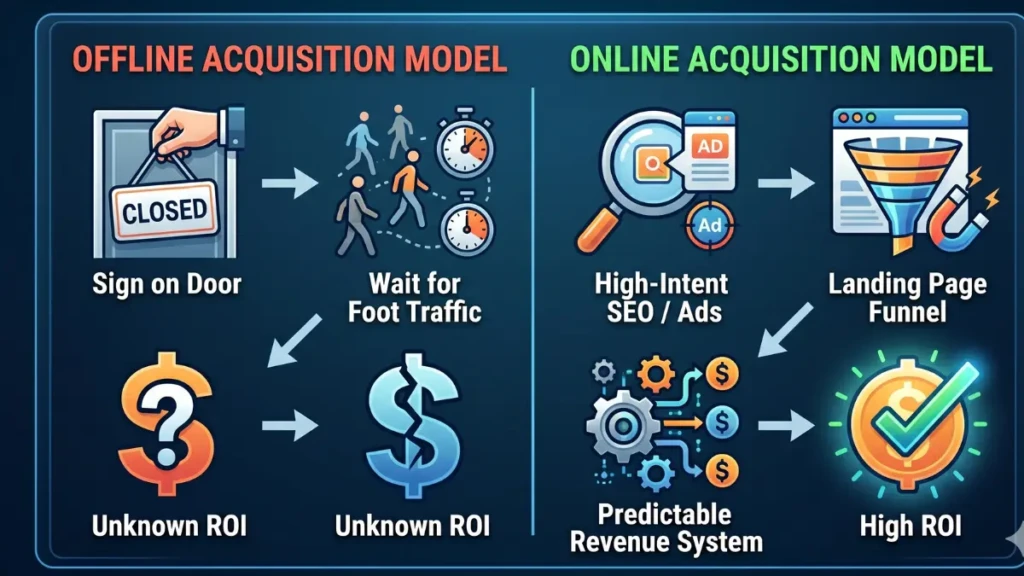
How do you get customers? This is where the offline model fundamentally breaks down in 2026.
- Offline (The “Hope” Strategy): Physical businesses rely on “foot traffic.” They pay premium rent hoping that enough people walk past their sign. It is passive, unmeasurable, and highly vulnerable to local economic downturns or bad weather.
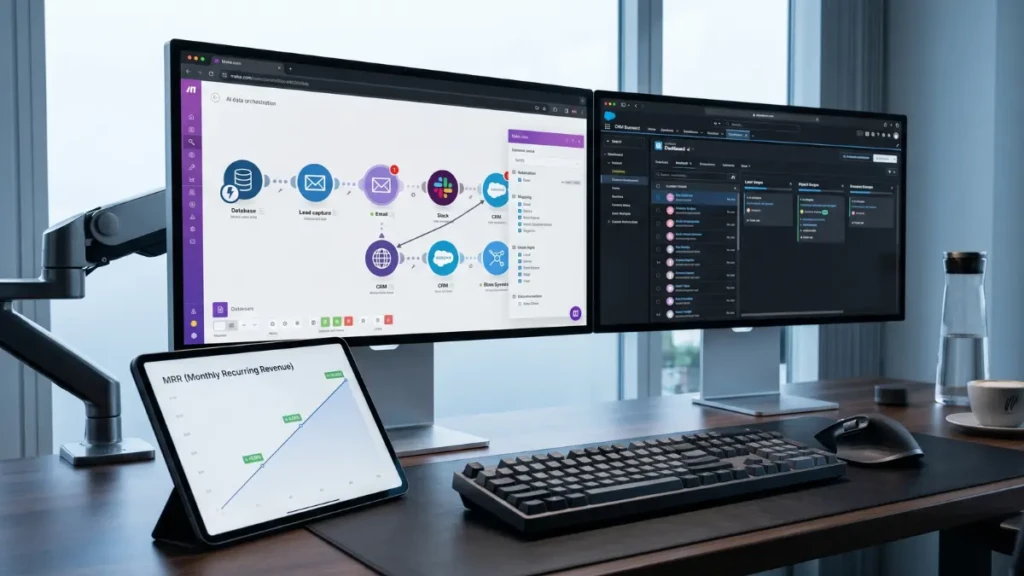
- Online (The Predictable Revenue System): Digital founders do not rely on hope; they rely on performance marketing. You build a predictable revenue system where every dollar of ad spend is tracked. You write authoritative, SEO-optimized blogs that target exactly what users are searching for. You capture leads, funnel them into automated sequences, and measure your exact Customer Acquisition Cost (CAC). You are in total control of the throttle.
4. The 2026 Multiplier: AI Integration
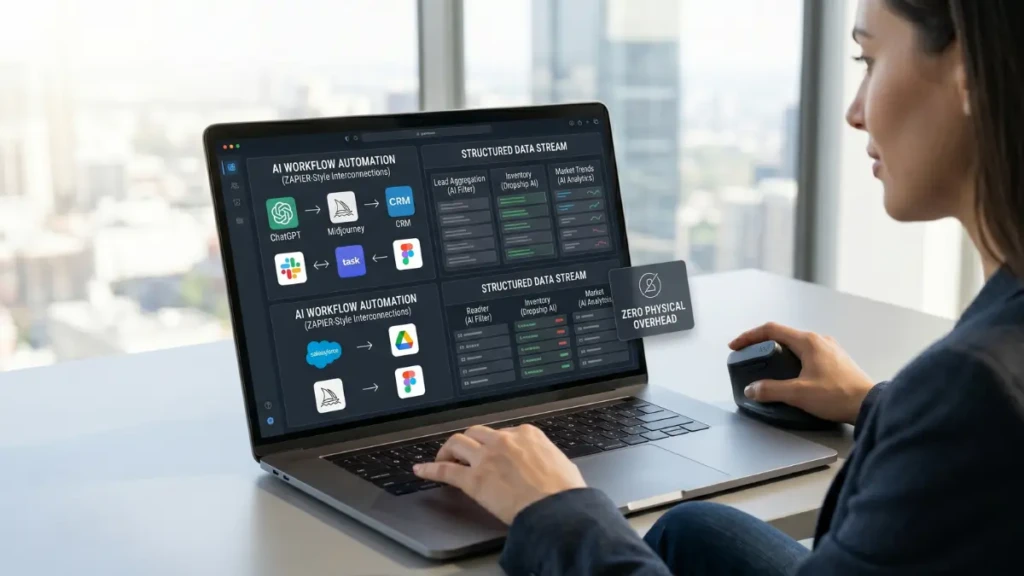
When you debate online vs offline business, you must factor in the technology gap.
If a physical retail store wants to handle more customers, they have to hire more employees, increasing their payroll and HR headaches.
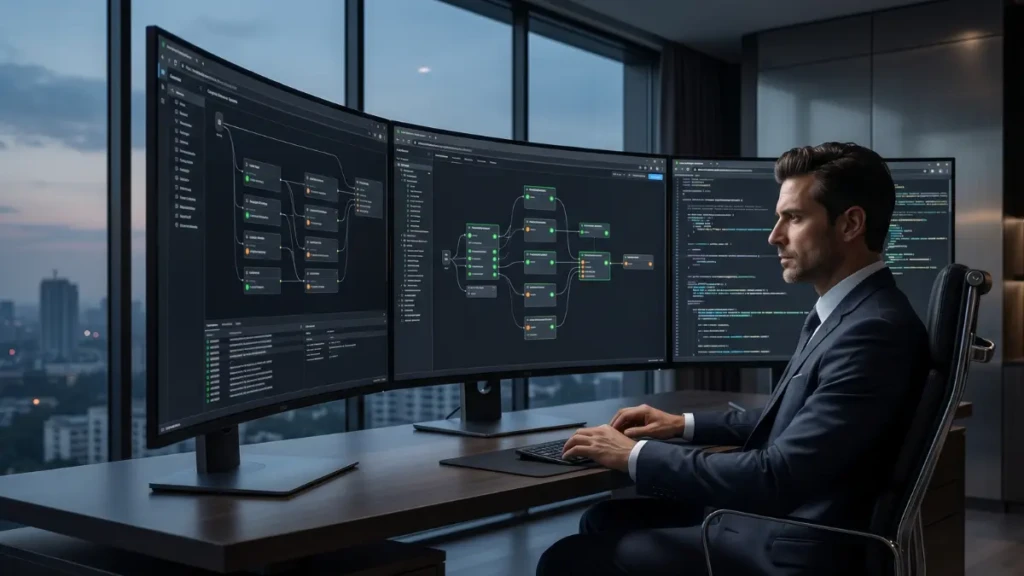
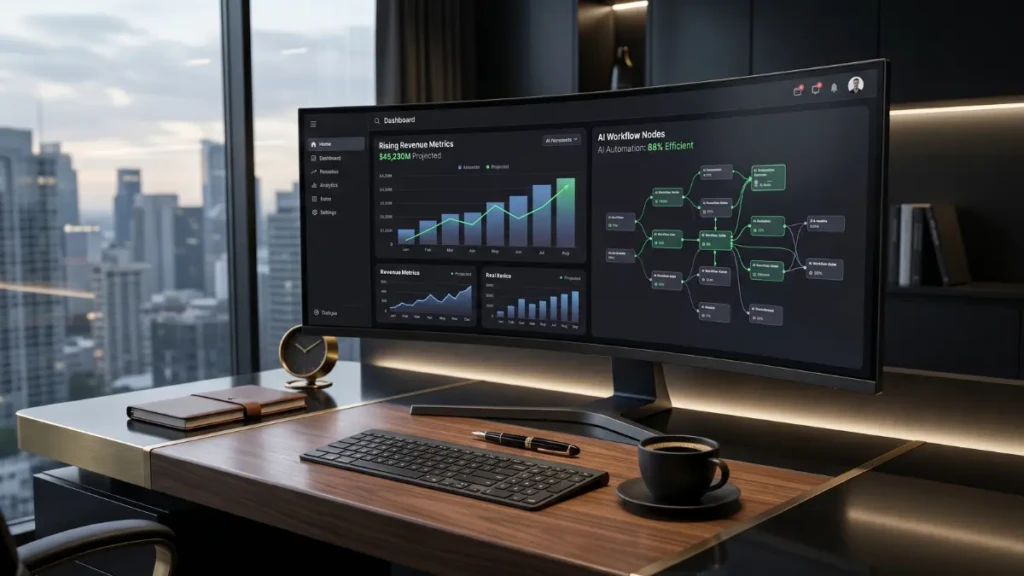
Online businesses scale through AI. In 2026, AI tools handle the “busy work.” From automated customer service chatbots to programmatic SEO structuring and data analysis, a solo founder managing a digital brand can execute the workload of a 10-person traditional agency at a fraction of the cost.
5. When Does an Offline Business Still Make Sense?
Despite the overwhelming advantages of digital commerce, the offline model is not entirely dead—it is just highly specialized.
An offline business makes sense if your value proposition requires mandatory physical presence. This includes:
- Experiential Hospitality: High-end dining, boutique hotels, and physical wellness centers.
- Complex Logistics & Trades: Specialized manufacturing, commercial construction, or localized plumbing and electrical services.
If your business provides a service that can potentially be delivered digitally (like consulting, marketing, education, or media), forcing it into an offline model is a strategic error.
Expert Insight: The Authority Shift
We analyzed the most successful founders of 2026 to see what separates them from the pack.
“The modern consumer no longer cares what your office building looks like. Trust is no longer established by leather chairs in a waiting room; it is established by digital authority. If your brand publishes deep, informative content, runs a high-performance website, and delivers frictionless digital onboarding, you instantly out-compete the local firm that relies on a physical storefront.”
Frequently Asked Questions (FAQ)
Is an online business really cheaper to start?
Yes. You can legally establish and launch an online service-based business for under $500. This covers domain registration, high-speed hosting, and the initial software subscriptions needed to build your marketing funnel.
Can I run an online business part-time?
Absolutely. Because a digital business relies on systems and automation rather than “store hours,” you can build and scale it outside of your primary commitments until the revenue surpasses your day job.
Which model has a higher success rate?
Both models have high failure rates for those who lack discipline. However, because an online business has negligible overhead, a “failure” might cost you a few hundred dollars and some time. An offline failure often results in bankruptcy due to broken commercial leases and unsold inventory. The digital model allows you to fail fast, iterate, and pivot without financial ruin.
Construct Your Empire
The online vs offline business debate is effectively settled for the modern entrepreneur. By choosing the digital path, you reject localized thinking and embrace the mathematics of high-margin leverage. Focus on building predictable systems, optimize your AI workflows, and design a business that serves the globe directly from your laptop.
Related Post:
15 Low Investment Business Ideas for 2026 (Highly Profitable)
How to Start a Business with No Money in 2026 (Low Investment Guide)

5 Hidden iPhone Features Apple Didn't Tell You About (2026)
17th Apr 2026[…] Online vs Offline Business: Which Is Better in 2026? […]