

 English






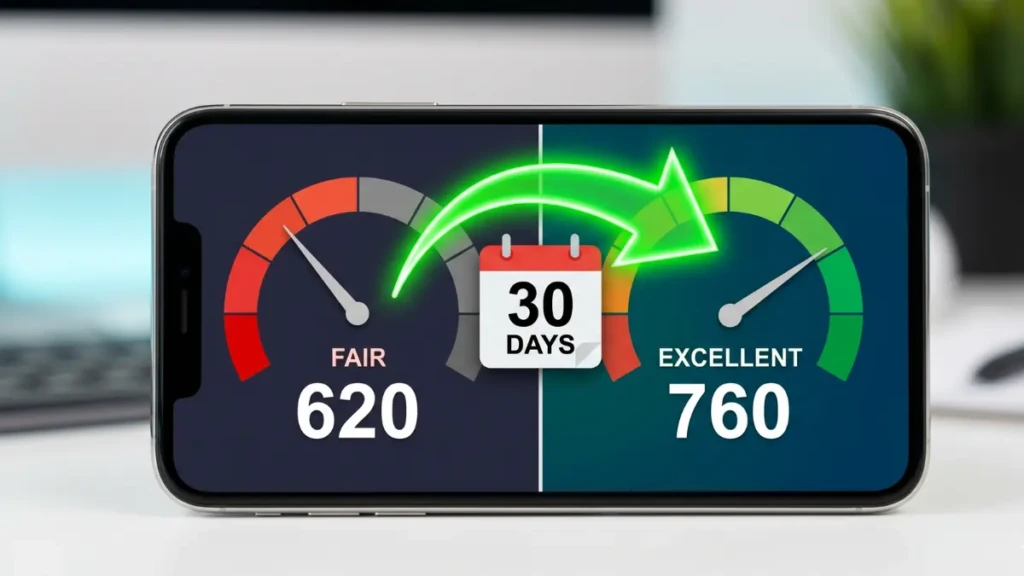




















































How to Improve Credit Score Fast in 2026 (Step-by-Step Guide)


Your credit score isn’t just a number. It’s the difference between getting approved for your dream apartment, landing a low-interest mortgage, or watching a lender shake their head and say “sorry, not quite.” And here’s what most people don’t realize—you can move the needle faster than you think.
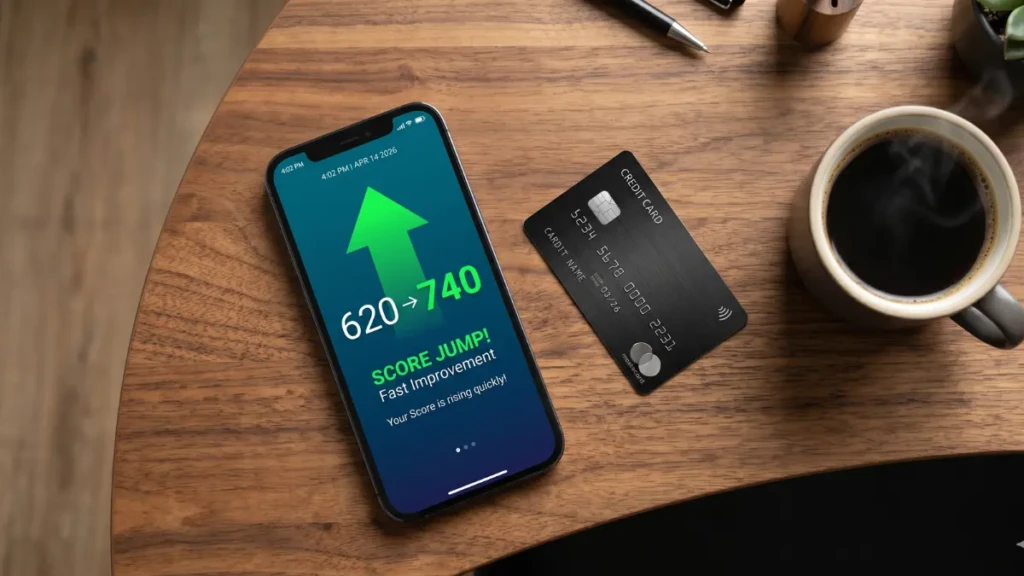
According to a 2024 Experian study, consumers who actively managed their credit saw an average score improvement of 40–100 points within six months. That’s not magic. That’s strategy.
Whether you’re sitting at 580 wondering how to get to “good,” or you’re already at 720 and gunning for that exceptional 800+ territory, this guide covers everything you need to know about how to improve your credit score fast in 2026. We’re talking real, actionable steps—not vague advice like “just pay your bills on time” (though yes, that matters too—more on that shortly).
Here’s what you’ll walk away with: a clear understanding of how your FICO score is calculated, the fastest levers to pull, common traps that silently destroy scores, and a timeline for what to expect. Let’s get into it.
What Is a Credit Score and How Is It Calculated?
Before you can fix something, you need to understand how it works. Your credit score—most commonly the FICO® Score—ranges from 300 to 850. Most lenders consider anything above 670 “good,” and above 800 “exceptional.”
Here’s the breakdown of what goes into your score:
| Factor | Weight | What It Means |
|---|---|---|
| Payment History | 35% | Did you pay on time? |
| Credit Utilization | 30% | How much of your limit are you using? |
| Length of Credit History | 15% | How long have your accounts been open? |
| Credit Mix | 10% | Do you have different types of credit? |
| New Credit (Hard Inquiries) | 10% | Have you applied for new credit recently? |
The kicker? Two factors—payment history and utilization—make up a full 65% of your score. Fix those two, and you’re already most of the way there.
How VantageScore differs from FICO
VantageScore (used by some lenders and free apps like Credit Karma) uses the same 300–850 range but weighs factors slightly differently—credit utilization is weighted even more heavily. The good news: improving your FICO score almost always improves your VantageScore too.
Why your score might be lower than you think
Sometimes your score drops for reasons you never saw coming—a medical bill sent to collections, a credit card you forgot about that got closed for inactivity, or a hard inquiry from a car loan application three months ago. We’ll cover how to identify and fix all of these.
Step 1: Pull Your Free Credit Reports (And Hunt for Errors)
This is where everyone should start, no exceptions. Head to AnnualCreditReport.com (the only federally authorized free report site) and pull reports from all three bureaus—Equifax, Experian, and TransUnion. As of 2023, you can do this weekly for free.
Look for:
- Accounts that aren’t yours (identity theft red flag)
- Late payments that were actually paid on time
- Incorrect balances or credit limits
- Duplicate accounts
- Accounts listed as open that you closed
Studies suggest roughly 1 in 5 Americans has an error on at least one credit report. Disputing and removing a single incorrect late payment can jump your score by 20–50 points overnight.
How to dispute credit report errors in 2026
Each bureau has an online dispute portal. File the dispute, include any supporting documentation (bank statements, payment confirmations), and wait—by law, bureaus must investigate within 30 days. If the error is corrected, your score updates at the next reporting cycle.
Pro tip: dispute with all three bureaus separately, since an error on one isn’t automatically fixed on the others.
Step 2: Lower Your Credit Utilization Ratio (The Fastest Win)
If payment history is the king of credit factors, credit utilization is the queen—and it’s the fastest one you can actually change. Your utilization ratio is simply how much of your available credit you’re using.
The golden rule: stay below 30%. The sweet spot for top scores? Under 10%.
Say you have a credit card with a $5,000 limit and a $2,000 balance. That’s 40% utilization—and it’s quietly dragging your score down.
Ways to lower utilization fast:
- Pay down existing balances (obvious, but effective)
- Ask for a credit limit increase (without spending more)
- Make multiple payments per month—since balances are often reported mid-cycle
- Open a new card (carefully—this also affects length of history)
- Spread balances across multiple cards instead of maxing one
The statement date trick
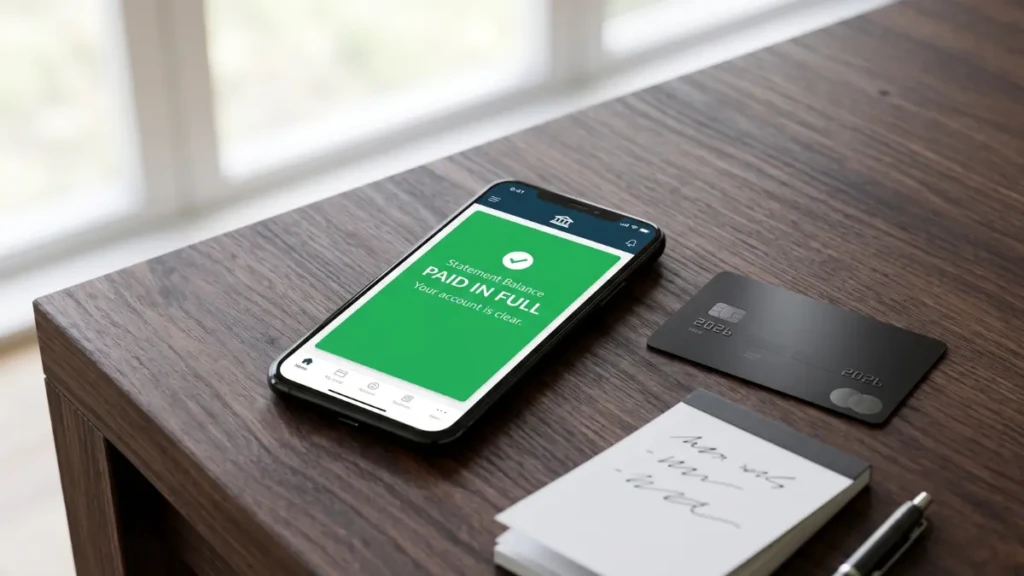
Most credit card issuers report your balance to the bureaus on your statement closing date, not your due date. Pay your balance down before the statement closes, and a lower utilization gets reported—even if you pay it off in full the following week.
Step 3: Never Miss a Payment (Set It and Forget It)
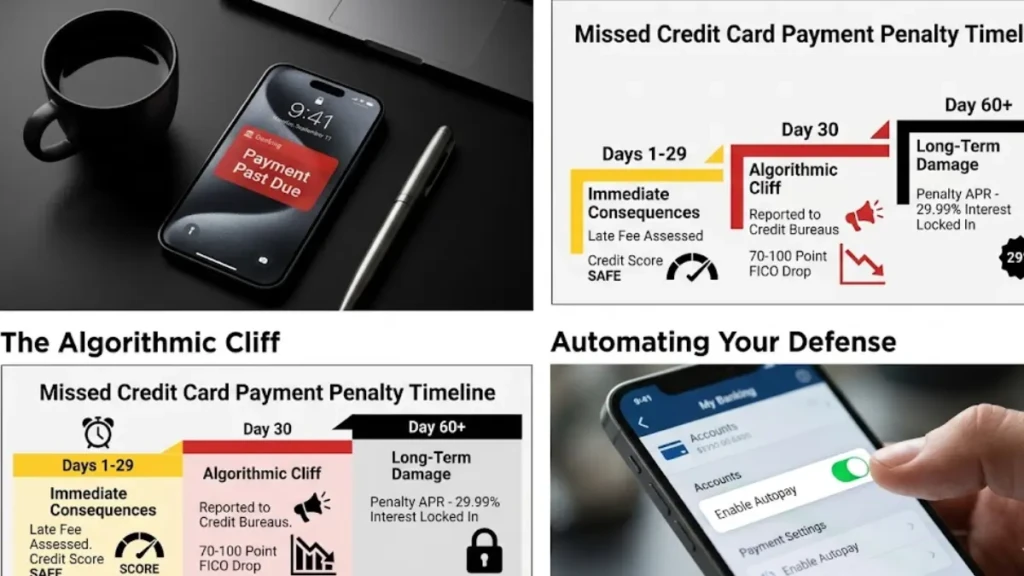
This is the big one. A single missed payment can drop your score by 60–110 points, and it stays on your report for seven years. Yes, seven.
Set up autopay for at least the minimum payment on every account—every card, every loan, every line of credit. The minimum isn’t ideal for your finances, but it prevents the catastrophic late payment mark that wrecks scores.
What to do if you’ve already missed a payment
Here’s something most people don’t know: if you missed a payment recently and it’s your first offense, call the lender and ask for a goodwill adjustment. Many issuers will remove one late payment from your history if you have an otherwise good track record. It doesn’t always work, but it costs nothing to ask—and I’ve seen it work for people more times than you’d expect.
Step 4: Keep Old Accounts Open
Every time you close a credit card, two things happen: your total available credit drops (raising utilization), and your average account age can decrease. Both hurt your score.
That old store card from 2015 that you never use? Keep it open. Use it once every six months to buy something small—a tank of gas, a coffee—and pay it off immediately. This keeps the account active and protects your credit history length.
The authorized user strategy
One underused credit-building move: become an authorized user on a family member or partner’s old account with a perfect payment history. Their positive history gets added to your report, which can significantly boost your score—even if you never use the card.
Step 5: Limit Hard Inquiries and Be Strategic With New Credit
Every time you apply for a new credit card, auto loan, or mortgage, the lender does a hard inquiry—and your score dips by roughly 5–10 points per inquiry. Multiple inquiries within a short window can compound quickly.
That said, FICO is smart about rate shopping. Multiple mortgage or auto loan inquiries within a 14–45 day window are typically counted as a single inquiry—so shop around, just do it quickly.
Soft inquiries don’t hurt
Checking your own credit, getting pre-qualified offers, or employer background checks are all soft inquiries—they’re completely invisible to your score. Check your own credit as often as you want.
Step 6: Diversify Your Credit Mix (The Slow Play)
Credit mix—having both revolving credit (credit cards) and installment loans (car loans, personal loans, mortgages)—accounts for 10% of your score. It’s not worth taking on debt just to diversify, but if you’re already carrying a mix, know that it’s working in your favor.
If you have only credit cards and want to add an installment account, a credit-builder loan from a credit union is a low-risk option. You make payments, those payments are reported, and you build history without taking on real debt—since the money is held in a secured account until the loan is paid.

Best Tools to Track and Improve Your Credit Score in 2026
| Tool | Best For | Cost |
|---|---|---|
| Credit Karma | Free daily monitoring, VantageScore | Free |
| Experian Boost | Adding utility/subscription payments | Free |
| myFICO.com | Official FICO scores from all bureaus | Paid |
| Chase Credit Journey | Chase customers, weekly FICO updates | Free |
| Self (formerly Self Lender) | Building credit from scratch | Low monthly fee |
Experian Boost deserves special mention—it lets you add utility payments, streaming subscriptions, and even rent payments to your Experian report. For people with thin credit files, this can add 10–20 points nearly instantly.
Common Mistakes That Tank Your Credit Score
I’ve seen people do all the right things, then accidentally undo their progress. Here are the traps to avoid:
- Closing cards after paying them off — This raises utilization and shortens history. Keep them open.
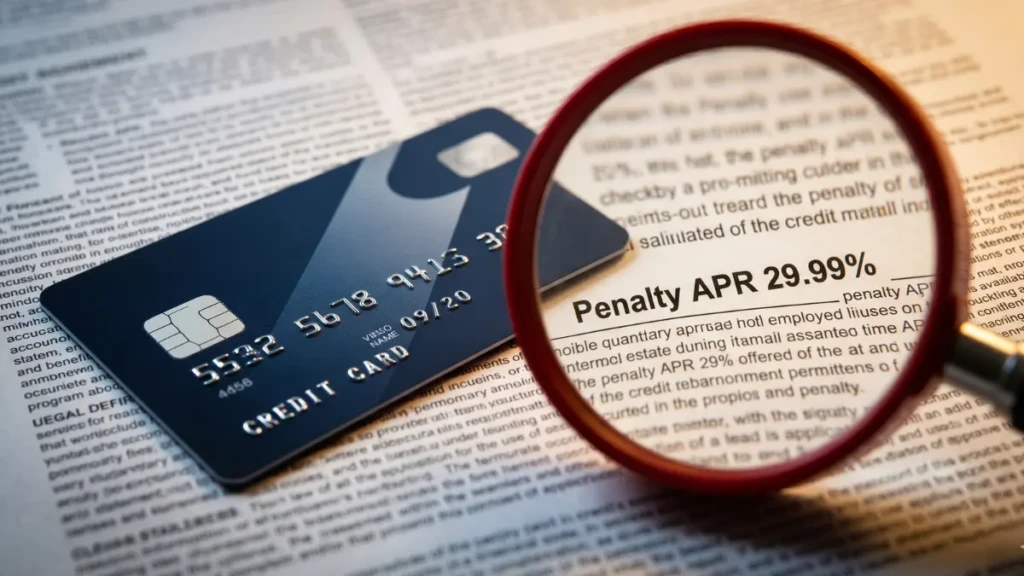
- Only making minimum payments — Interest accumulates, balances stay high, utilization stays high.
- Applying for multiple cards in a short period — Even if you’re declined, the inquiry still counts.
- Ignoring collections — A $40 unpaid medical bill in collections can drop your score by 50+ points.
- Co-signing without thinking — Their payment habits affect your score. Choose wisely.
How Long Does It Take to Improve Your Credit Score?
Let’s be real about timelines:
- 30–45 days: Dispute corrections, credit limit increases, Experian Boost additions
- 1–3 months: Significant utilization paydown, authorized user additions
- 3–6 months: Consistent payment history begins to show strong positive signals
- 6–12 months: Substantial score rebuilding, especially after past negative marks age
Going from 580 to 680 in six months is realistic with disciplined action. Going from 680 to 750+ often takes 12–18 months of consistent habits. There are no shortcuts that aren’t scams—credit repair companies charging hundreds per month can’t do anything you can’t do yourself for free.
FAQ
How fast can I realistically improve my credit score? Most people see measurable improvement in 30–90 days by lowering utilization and disputing errors. Significant gains of 50–100 points typically take 3–6 months of consistent effort.
Does checking my own credit hurt my score? No. Checking your own credit is a soft inquiry and has zero impact on your score. Check it as often as you want.
What credit score do I need for a mortgage in 2026? Most conventional loans require a minimum of 620, though you’ll get the best rates at 740+. FHA loans accept scores as low as 580 with a 3.5% down payment.
Is credit repair worth it? Legitimate credit repair companies can help, but they can only dispute inaccurate information—same as you can for free. Be very wary of companies promising to “erase” negative accurate items. That’s not legal.
Will paying off a collection remove it from my report? Not automatically. A paid collection still appears on your report for seven years from the original delinquency date. You can negotiate a “pay for delete” agreement before paying—get it in writing.
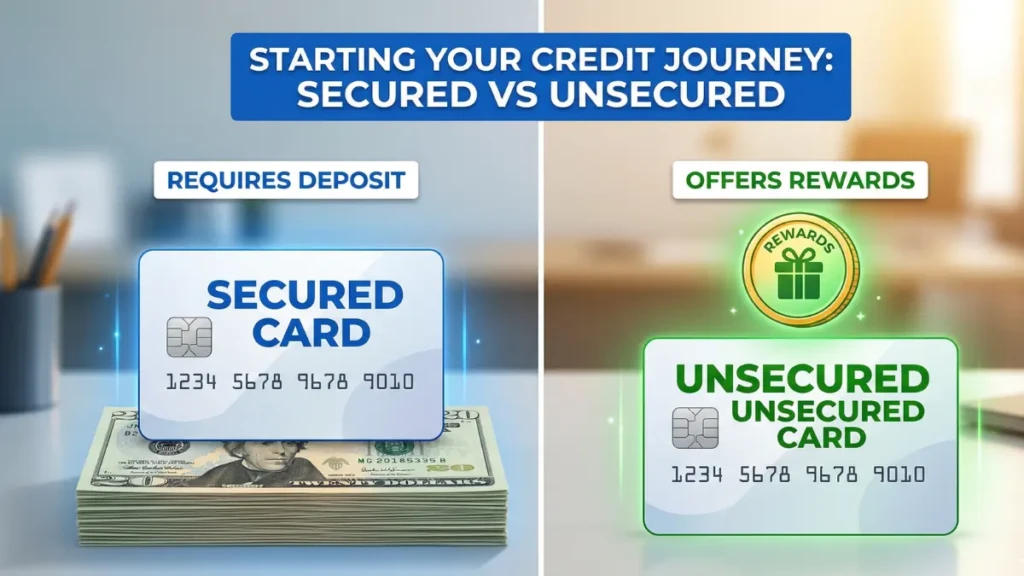
Can I build credit with no credit history? Yes. Start with a secured credit card (deposit = credit limit), a credit-builder loan, or become an authorized user on a trusted person’s account.
How does Experian Boost work? You link your bank account, Experian identifies eligible on-time payments (utilities, streaming, rent), and adds them to your report. It only affects your Experian score, and the boost is typically 10–20 points.
Conclusion
Here’s the bottom line: improving your credit score fast in 2026 isn’t about gaming the system. It’s about understanding which levers actually move the needle—payment history and utilization above all—and being consistent. The people who see the biggest gains are rarely doing anything exotic. They’re paying on time, keeping balances low, leaving old accounts open, and checking their reports for errors.
Start today with the two simplest steps: pull your free credit reports at AnnualCreditReport.com and set up autopay on every account. Those two moves alone put you ahead of the majority of Americans who never take stock of their credit at all.
Read more:
Best No-Annual-Fee Credit Cards of April 2026: Ultimate Guide
I Tried 7 Credit Cards in Canada — Here’sthe Only One Worth Keeping in 2026


Cashback vs Rewards Credit Cards: Which Is Better in 2026?
04th Apr 2026[…] How to Improve Credit Score Fast in 2026 (Step-by-Step Guide) […]
Best Travel Credit Cards 2026 USA: Top Picks for Every Traveler
04th Apr 2026[…] How to Improve Credit Score Fast in 2026 (Step-by-Step Guide) […]
11 Science-Backed Weight Loss Tricks You Can Do at Home
06th Apr 2026[…] How to Improve Credit Score Fast in 2026 (Step-by-Step Guide) […]