
 English









































How to Automate B2B Lead Scraping Using AI Workflows (2026)

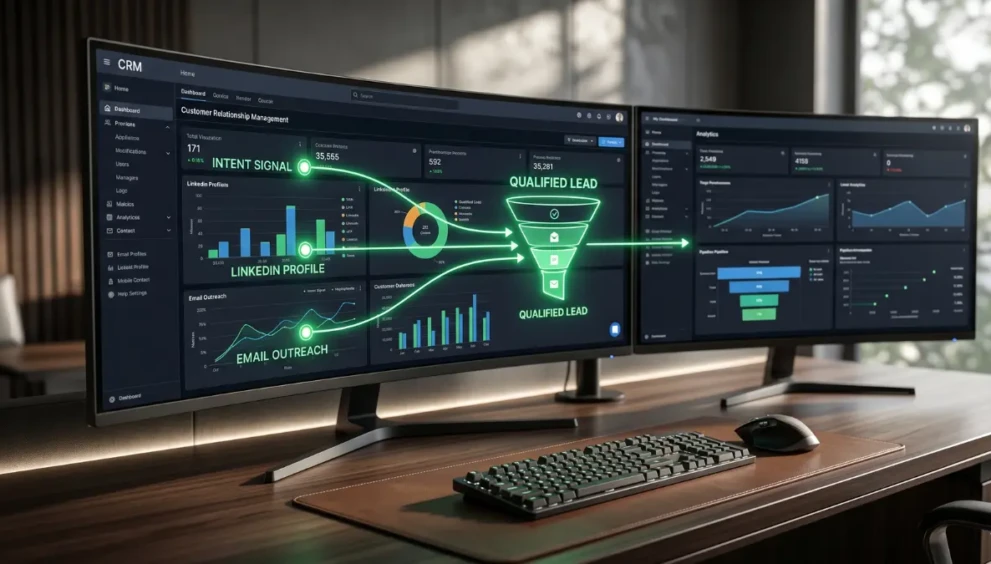
If your sales team is spending their mornings manually copying and pasting names from LinkedIn into a spreadsheet, your business is operating in the past. In 2026, data extraction is no longer a human job.
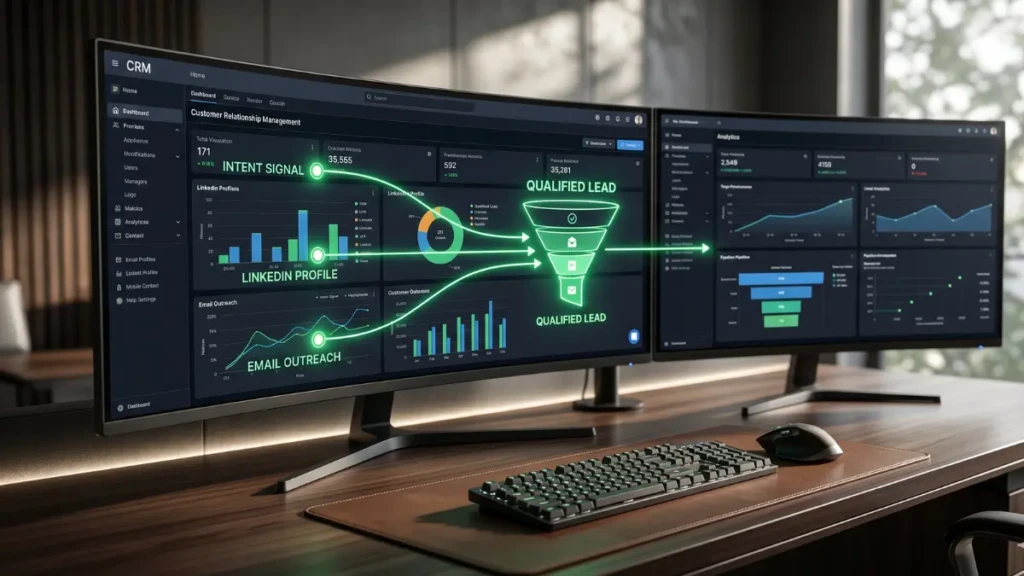
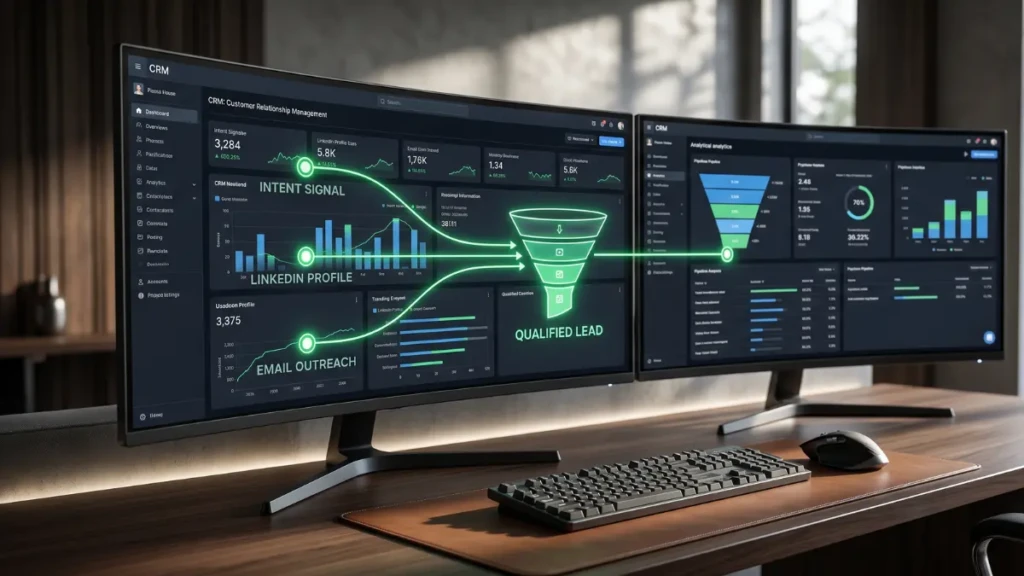
The modern B2B pipeline requires speed, accuracy, and hyper-personalization at an industrial scale. Achieving this requires B2B lead generation automation AI. We have moved far beyond basic web scrapers that pull messy, outdated data. Today’s top-performing North American sales teams use autonomous AI agents to scrape intent signals, cross-reference multiple databases simultaneously, and write highly personalized outreach emails—all while the sales rep is sleeping.
If you are ready to stop paying SDRs to do a machine’s job, here is the exact blueprint to deploy the most powerful B2B outbound automation tricks and build a scalable pipeline this year.
Table of Contents
- Why Static Scraping is Dead (The Data Decay Problem)
- The 2026 Tech Stack: Choosing Your AI Lead Scraping Tools
- The Clay AI Tutorial: Mastering Waterfall Enrichment
- How to Automate Apollo Workflows via Webhooks
- Automating Hyper-Personalization (The AI Icebreaker)
- Expert Insight: The Danger of Scaling Garbage
- Frequently Asked Questions (FAQ)
1. Why Static Scraping is Dead (The Data Decay Problem)
Historically, B2B lead scraping involved buying a massive list from a data broker or using a Chrome extension to scrape LinkedIn Sales Navigator.
The problem with this method in 2026 is Data Decay. People change jobs, companies go bankrupt, and email structures change. A static list decays at a rate of 3% to 4% every single month. By the time you scrape, verify, and email a list of 5,000 prospects, hundreds of those emails will bounce, damaging your domain reputation.
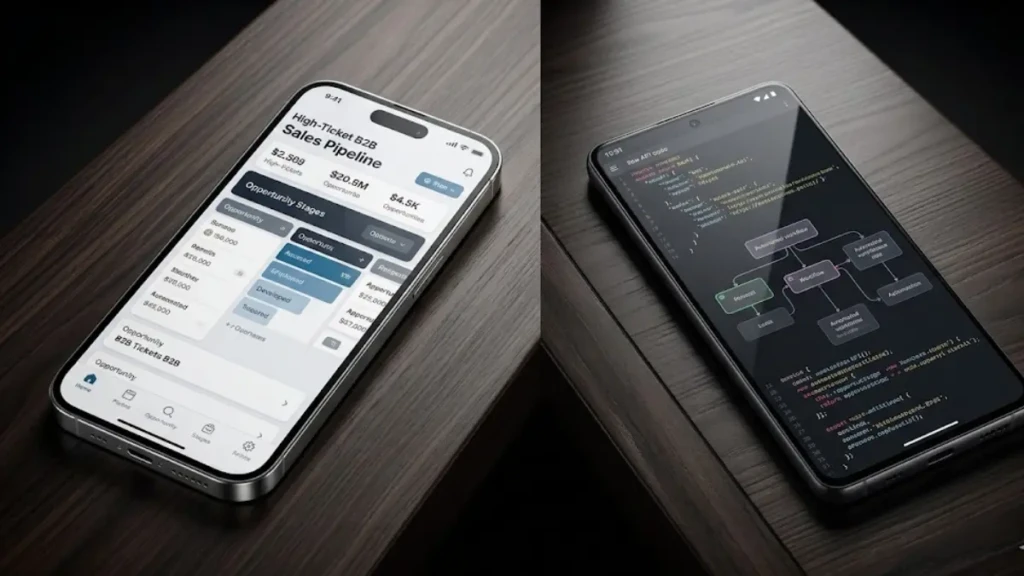
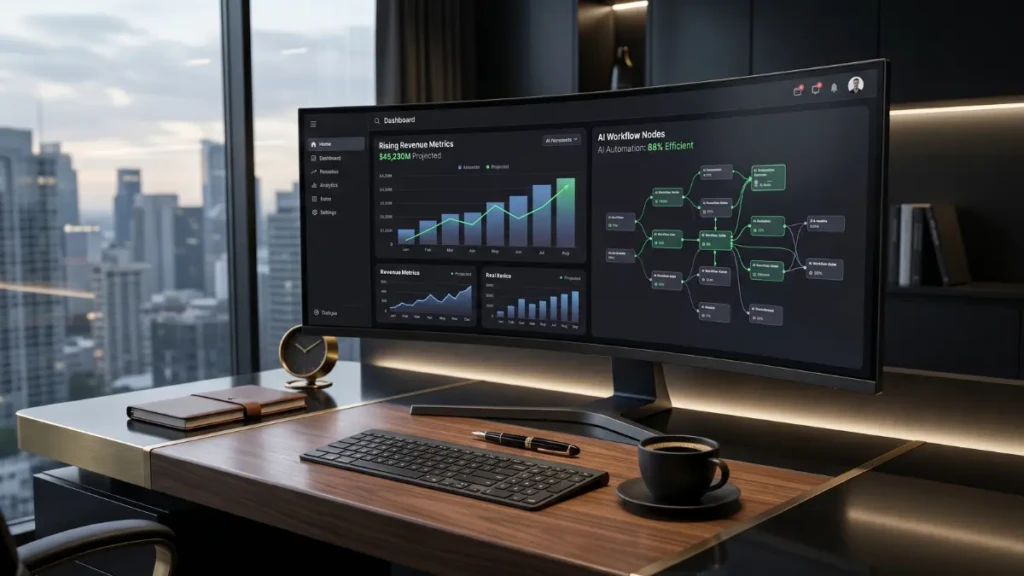
To fix this, you must transition to dynamic scalable lead generation software. Instead of scraping a list once, you build a live, always-on AI workflow that extracts, verifies, and deploys data in real-time based on active buying signals.
2. The 2026 Tech Stack: Choosing Your AI Lead Scraping Tools
To build an automated machine, you need tools that communicate flawlessly via APIs. Do not buy isolated software; buy an ecosystem.
- The Database: Apollo.io or ZoomInfo. This is your foundational pool of millions of B2B contacts.
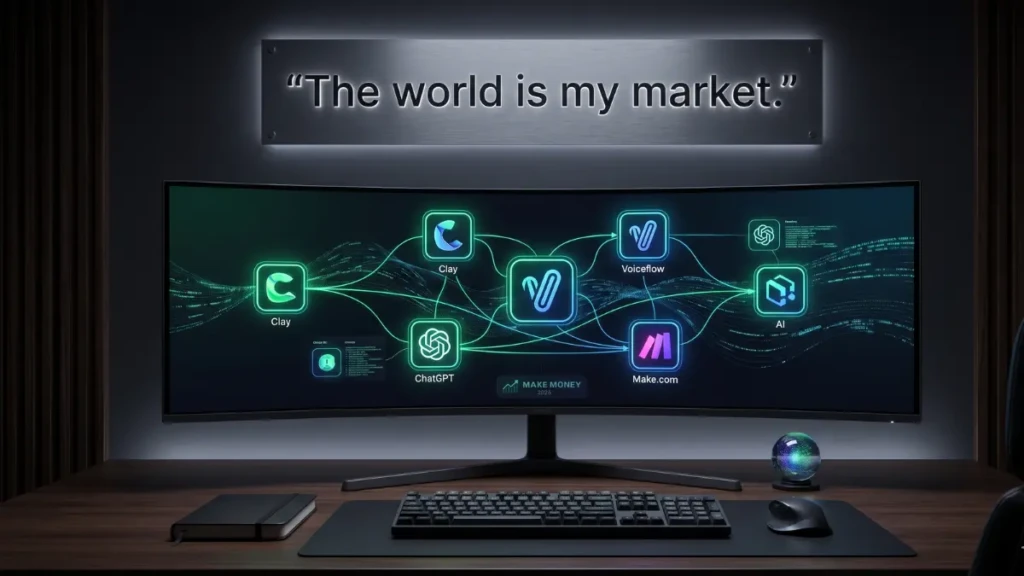
- The Orchestrator: Clay or Make.com. This is the “brain” of your operation. It connects your database to the rest of the internet.
- The AI Brain: OpenAI (ChatGPT-4o) or Anthropic (Claude 3.5). This is used to read scraped data and write natural, personalized outreach.
3. The Clay AI Tutorial: Mastering Waterfall Enrichment
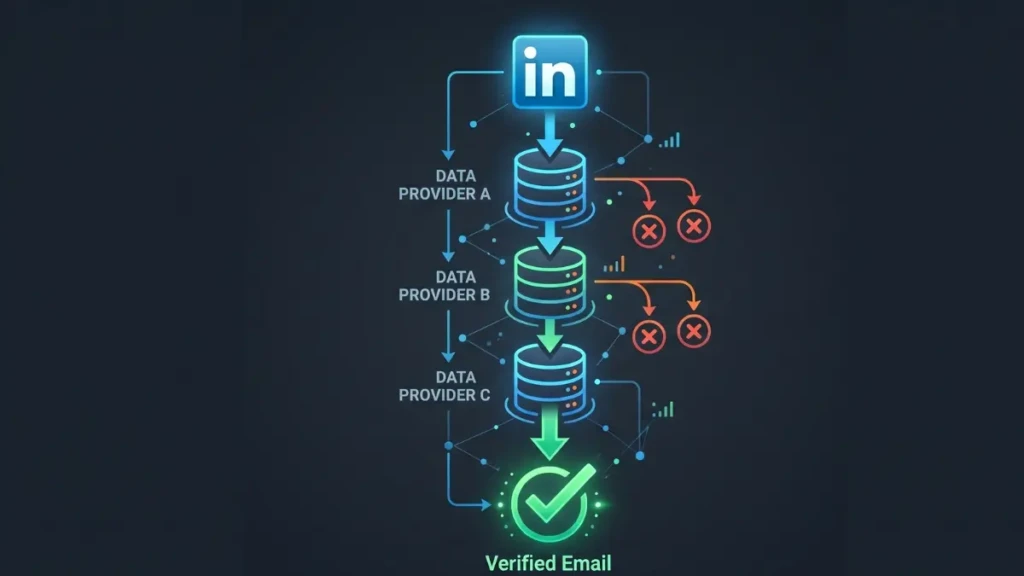
If you want the ultimate competitive advantage in B2B lead generation automation AI, you must learn Waterfall Enrichment. Clay is the premier tool for this in 2026.
How Waterfall Enrichment Works: If you search Apollo for an executive’s email, you might get a 60% success rate. The other 40% are lost leads. Waterfall enrichment fixes this by linking multiple data providers together in a chain.
- Step 1: Clay scrapes the prospect’s LinkedIn profile.
- Step 2: It asks Provider A (e.g., Apollo) for the email.
- Step 3: If Apollo fails, Clay automatically “waterfalls” down to Provider B (e.g., Hunter.io).
- Step 4: If Provider B fails, it checks Provider C (e.g., Dropcontact).
- Step 5: Once an email is found, Clay instantly pings an email verification server (like ZeroBounce) to ensure the email will not bounce.
By automating this waterfall inside Clay, your email match rates jump from 60% to over 85%, massively increasing your pipeline efficiency without lifting a finger.
4. How to Automate Apollo Workflows via Webhooks
You do not want to click “Export CSV” ever again. You want Apollo to feed your CRM automatically.
The Automation Trick:
- Go into Apollo and set up a dynamic “Saved Search” (e.g., Title = CMO, Industry = SaaS, Headcount = 50-200, Location = Canada).
- Set an alert for “Job Changes” or “New Funding Rounds.”
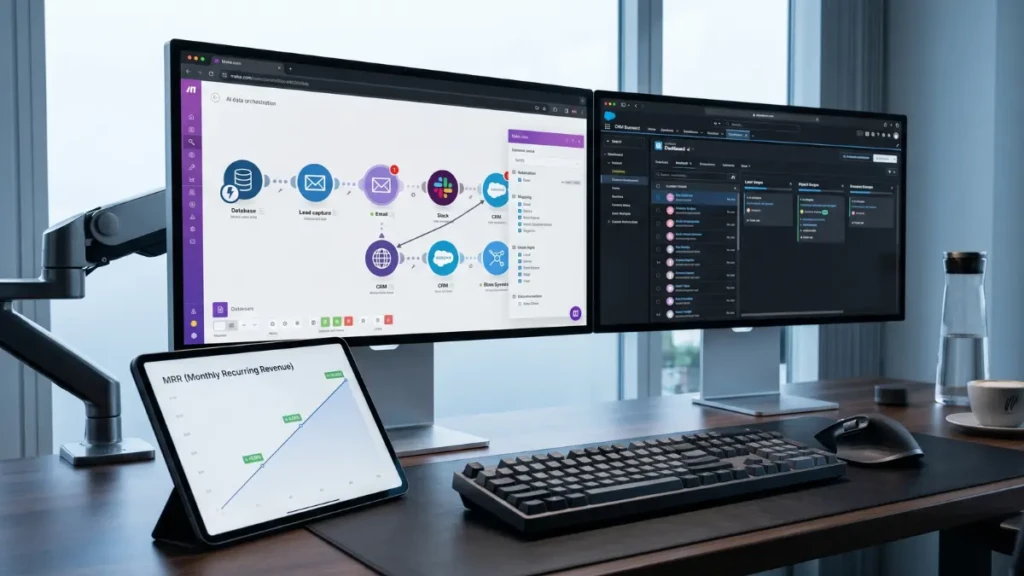
- Use Zapier or Make.com to catch the webhook.
- The Command: Every time Apollo finds a new CMO that matches this exact criteria, instantly push their data into HubSpot (or Salesforce) and drop them into the top of our cold outreach sequence.
This is how you automate Apollo workflows. Your pipeline is now continuously fed with fresh, highly relevant leads who just stepped into a new role and have a budget to spend.
5. Automating Hyper-Personalization (The AI Icebreaker)
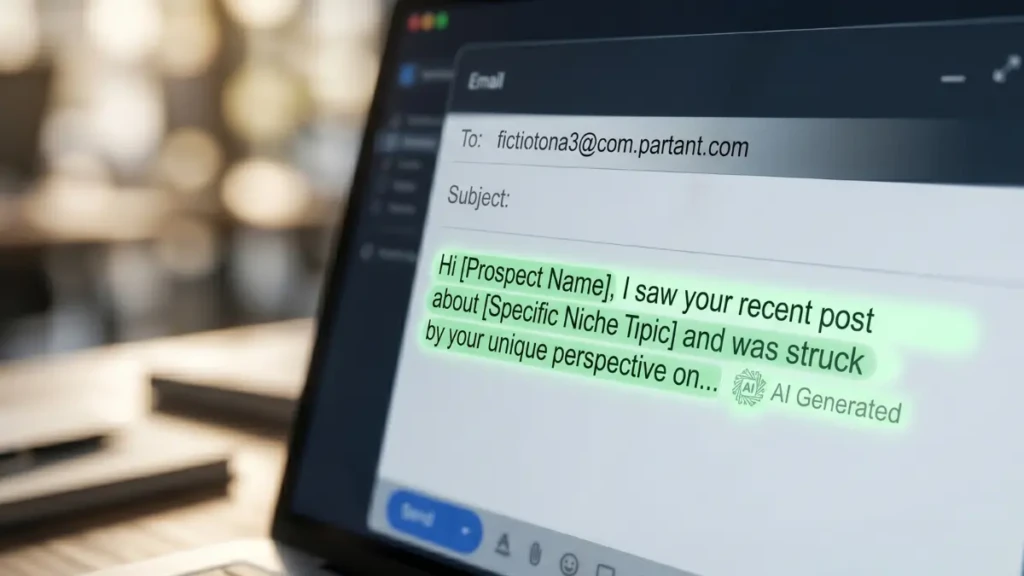
Sending generic emails like “Hi [First Name], do you need lead gen?” will get you marked as spam instantly in 2026. You must personalize at scale.
The AI Icebreaker Workflow:
- When Clay scrapes a new prospect’s company website, it feeds the raw text of their “About Us” page to an integrated AI (like ChatGPT).
- You provide the AI with a strict prompt: “Read this company’s page. Write a casual, one-sentence compliment about their specific mission or recent product launch. Keep it under 15 words. Do not use corporate jargon.”
- The AI generates a unique, highly specific opening line for every single prospect on your list and drops it into a custom column in your spreadsheet.
- Your email sequence software pulls that custom variable to open the email.
You are now sending thousands of emails a month that look like they were painstakingly researched by a human, completely automating the hardest part of outbound sales.
Expert Insight: The Danger of Scaling Garbage
We consulted with a top RevOps engineer about the dark side of automation.
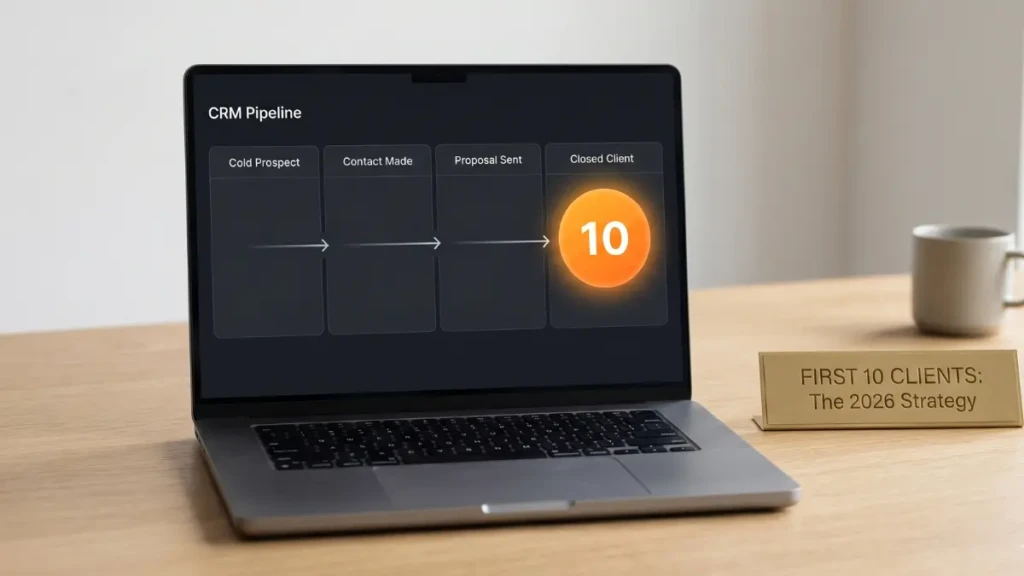
“The biggest mistake founders make with scalable lead generation software is assuming AI fixes a bad offer. If your core sales pitch is weak, using Clay to scrape 10,000 emails and using AI to write 10,000 icebreakers just means you are going to get rejected at an industrial scale. Automation amplifies whatever you put into it. Before you build a massive autonomous scraping workflow, manually close 10 clients to ensure your pitch actually converts. Only automate what is already working.”
Frequently Asked Questions (FAQ)
Are AI lead scraping tools legal?
Yes, but compliance is critical. In the US, B2B cold emailing is governed by the CAN-SPAM Act, and in Canada, by CASL. You must ensure you are scraping publicly available business data (not personal consumer data) and your automated emails must always include a clear opt-out mechanism and a physical business address.
How much does this tech stack cost?
In 2026, building an enterprise-grade AI scraping machine is surprisingly affordable. A basic Apollo license ($49/mo) combined with a starter Clay account ($149/mo) and a Make.com subscription ($19/mo) gives you enough computational power to process thousands of high-quality leads per month.
Can AI scrape LinkedIn without getting my account banned?
Scraping LinkedIn directly with basic Chrome extensions is highly risky and violates their Terms of Service. This is why you must use enterprise tools like Clay or Apollo. These tools use proprietary backend databases and official APIs to aggregate LinkedIn data safely, completely protecting your personal LinkedIn account from restriction.
Scale the Machine
Manual data extraction is a tax on your company’s growth. By deploying advanced B2B lead generation automation AI, utilizing waterfall enrichment, and crafting AI-driven icebreakers, you completely remove the friction from outbound sales. Stop building lists and start building systems.
Ready to ensure your automated leads actually close? Read our strategic teardown on [How to Get Clients in 2026: The Proven Acquisition Strategy].