

 English










































































Cashback vs Rewards Credit Cards: Which Is Better in 2026?



Ever stood at the checkout counter wondering whether your credit card is actually working for you—or just sitting in your wallet collecting plastic karma? You’re not alone. Millions of Americans are leaving hundreds of dollars on the table every year simply because they picked the wrong type of card for their spending habits.
Here’s the thing: both cashback and rewards credit cards can be genuinely valuable. But they work in completely different ways, and the “best” one depends entirely on who you are and how you spend. A road warrior racking up 80,000 airline miles a year has very different needs than a suburban family spending $1,200 a month on groceries and gas.
In this guide to cashback vs rewards credit cards in 2026, we’re breaking down everything—how each card type works, the real value of points vs cash, which top USA cards dominate each category, who should pick what, and the sneaky traps that make people think they’re winning when they’re actually losing value.
By the time you finish reading, you’ll know exactly which card belongs in your wallet. Let’s dive in.
What Are Cashback Credit Cards?
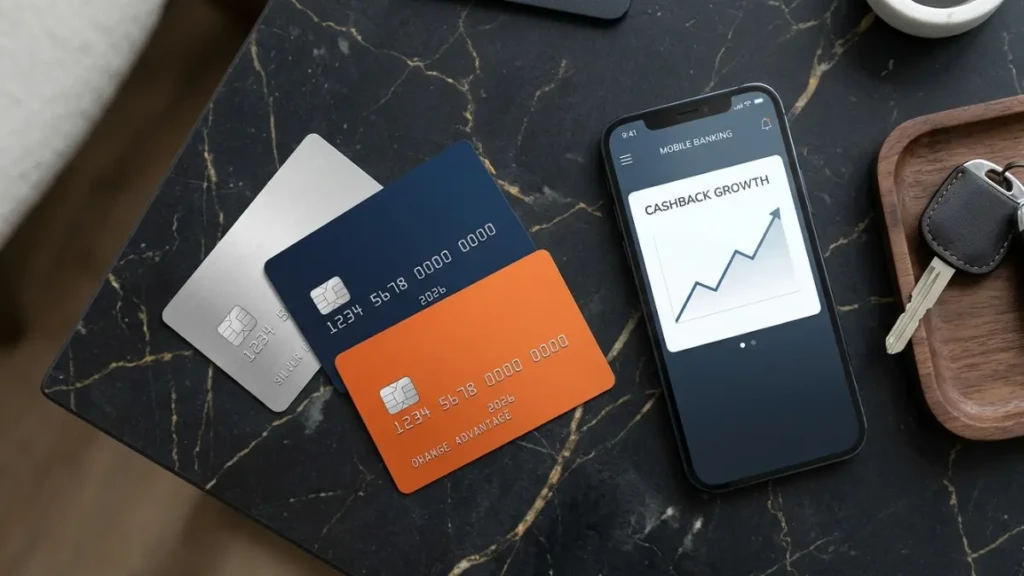
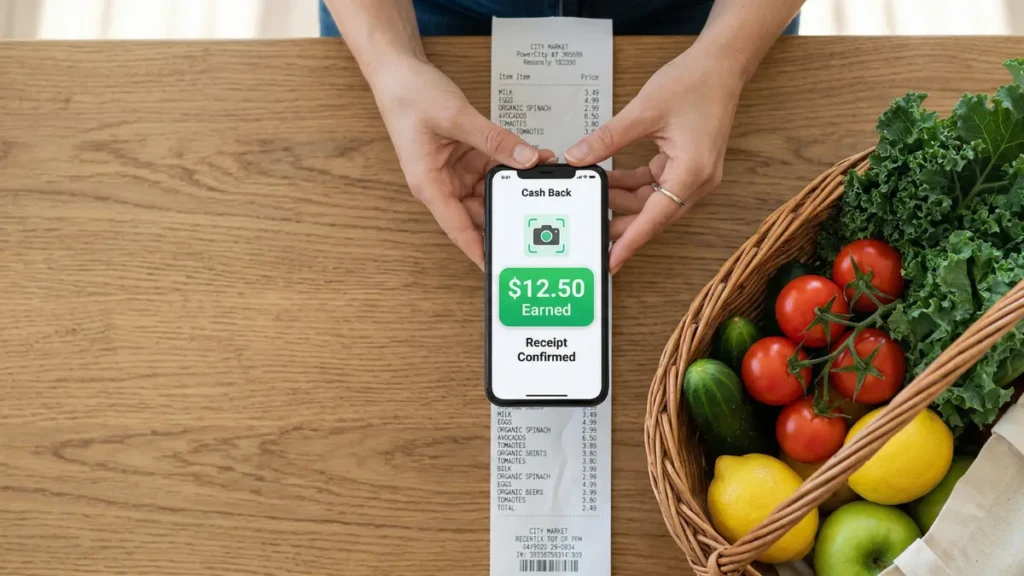
Cashback credit cards are exactly what they sound like—you spend money, you get a percentage of it back. Simple, transparent, no conversion charts required.
Most cashback cards fall into one of three structures:
- Flat-rate cashback — A fixed percentage on every purchase (e.g., 2% on everything)
- Tiered cashback — Higher rates in specific categories (e.g., 5% on groceries, 1% on everything else)
- Rotating category cashback — Quarterly bonus categories that change (e.g., 5% on Amazon in Q4, 5% on gas in Q2)
The appeal is obvious: a dollar earned is a dollar earned. No points calculators, no blackout dates, no “transfer partners.” You hit your statement, see $47.82 in cashback, and that’s exactly $47.82 in your pocket.
Best cashback credit cards in the USA 2026
| Card | Cashback Rate | Annual Fee | Best For |
|---|---|---|---|
| Citi Double Cash | 2% on everything | $0 | Flat-rate simplicity |
| Chase Freedom Unlimited | 1.5–5% | $0 | Everyday + travel combo |
| Blue Cash Preferred (Amex) | 6% groceries, 3% gas | $95 | Families, grocery spenders |
| Discover it Cash Back | 5% rotating + 1% base | $0 | Patient, engaged users |
| Wells Fargo Active Cash | 2% flat on everything | $0 | No-fuss earners |
The Citi Double Cash and Wells Fargo Active Cash are hard to beat for pure simplicity. You don’t need to think—just swipe and earn 2% universally.
Who cashback cards are ideal for
Cashback cards shine for people who value simplicity over optimization. If the idea of logging into a travel portal, comparing transfer partners, or calculating cents-per-point gives you a headache—cashback is your lane.
What Are Rewards Credit Cards?
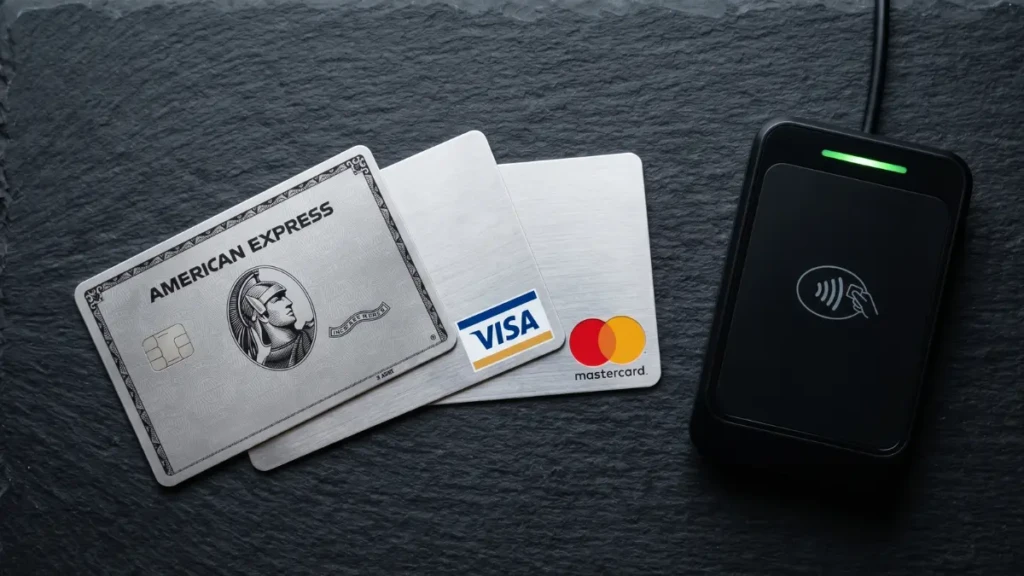
Rewards credit cards earn points or miles instead of cash. Those points can be redeemed for travel, merchandise, gift cards, statement credits, or transferred to airline and hotel loyalty programs—often at values that far exceed what cashback would give you.
Here’s where it gets interesting. A point isn’t always worth one cent. Depending on how you redeem:
- Chase Ultimate Rewards points: worth 1–2.05 cents each
- Amex Membership Rewards: worth 1–2.2 cents each
- Capital One miles: worth 1–1.85 cents each
- Airline miles (e.g., Delta SkyMiles): worth 1–1.5 cents each
That means 100,000 Chase points redeemed smartly through travel partners could be worth $1,800–$2,050. The same points redeemed as cash back? Exactly $1,000.
That’s the upside. The downside: you have to know what you’re doing.
Best rewards credit cards in the USA 2026
| Card | Points Earned | Annual Fee | Best For |
|---|---|---|---|
| Chase Sapphire Preferred | 3x dining, 2x travel | $95 | Travel beginners |
| Amex Platinum | 5x flights, 5x hotels | $695 | Luxury travelers |
| Capital One Venture X | 2x everything, 10x hotels | $395 | Flexible travel rewards |
| Chase Sapphire Reserve | 3x travel/dining, 10x hotels | $550 | Heavy travelers |
| Citi Strata Premier | 3x hotels, air, groceries | $95 | Versatile earners |
The Chase Sapphire Preferred remains arguably the best entry-level travel rewards card on the market in 2026—strong earning rates, flexible redemption, and a $95 annual fee that practically pays for itself with a single trip.
Who rewards cards are ideal for
Rewards cards reward (pun intended) people who travel regularly, spend heavily in bonus categories, and are willing to spend 20–30 minutes learning how redemption works. If you’d happily spend an afternoon figuring out how to fly business class to Europe for 60,000 miles instead of $3,000—this is your world.
Cashback vs Rewards Cards: Head-to-Head Comparison
Let’s cut through the noise with a direct comparison across the factors that actually matter.
| Factor | Cashback Cards | Rewards Cards |
|---|---|---|
| Ease of use | ⭐⭐⭐⭐⭐ Very simple | ⭐⭐⭐ Requires learning |
| Maximum value potential | ⭐⭐⭐ ~1–2% return | ⭐⭐⭐⭐⭐ Up to 4–6% on travel |
| Flexibility | ⭐⭐⭐⭐ Cash works everywhere | ⭐⭐⭐ Limited to partners/portals |
| Annual fees | Usually $0–$95 | Often $95–$695 |
| Best redemption | Statement credit, direct deposit | Business/first class flights, hotels |
| Risk of value loss | None | Points can devalue or expire |
| Welcome bonus value | $150–$300 cash | $500–$1,500+ in travel |
The real answer that nobody wants to give you: rewards cards have higher ceilings, cashback cards have higher floors.
A savvy rewards card user who books business class through transfer partners can squeeze 4–6 cents per dollar spent. A cashback user caps out around 2%. But the cashback user never accidentally redeems their points at 0.6 cents each on gift cards, either.
The Real Value of Points vs Cash in 2026
Here’s something the credit card marketing world doesn’t want you to think too hard about: points are a currency you don’t fully control.
Airlines and banks can—and do—devalue their points programs. Delta devalued SkyMiles significantly in 2023. Marriott Bonvoy has had multiple devaluations. When that happens, your 200,000-point balance quietly becomes worth 15–20% less overnight, with no announcement and no compensation.
Cash doesn’t devalue. $47 in cashback is $47 tomorrow, next month, and next year.
That said, for travelers willing to play the game, the upside is real. Consider this example:
- Cashback card: $5,000 in spending at 2% = $100 cash
- Rewards card: $5,000 in spending at 3x points = 15,000 points → redeemed for business class at 2 cents/point = $300 in value
Same spending, three times the value. That’s the rewards card argument in one example.
How to calculate if rewards cards are worth it for you
Take your monthly spending, multiply by the earning rate, then multiply by your realistic redemption value per point. Compare that to what a 2% flat cashback card would return. If the rewards card doesn’t come out ahead by enough to justify any annual fee—go cashback.
Annual Fees: When They’re Worth It and When They’re Not
A $695 annual fee sounds insane—until you realize the Amex Platinum comes with $200 in airline fee credits, $200 in hotel credits, $155 in Walmart+ credits, $240 in digital entertainment credits, and lounge access that would otherwise cost $600+ per year. For the right person, it’s not a $695 card. It’s a card that pays you to hold it.
On the flip side, if you’re paying $95/year for a rewards card but only redeeming points as statement credits at 1 cent each, you’d have been better off with a free cashback card. The annual fee math has to work in your favor.
Rule of thumb: An annual fee is worth it if the card’s benefits exceed the fee by at least 1.5x. A $95 card should deliver at least $142 in measurable value.
Best Strategy: Why Not Both?
Here’s the open secret among credit card optimizers: the answer to cashback vs rewards cards is often both.
A popular combination in 2026:
- Everyday spending → 2% flat cashback card (no-brainer baseline)
- Travel and dining → Chase Sapphire Preferred or Capital One Venture X
- Groceries → Amex Blue Cash Preferred (6% back)
- Gas → Citi Custom Cash or similar (5% back)
Using two to three cards strategically across your spending categories can push your effective return rate to 3–4% across all spending—dramatically higher than any single card achieves alone.
The key is keeping it manageable. Three cards with clear purposes is smart optimization. Eight cards you can barely track is chaos that hurts your credit utilization and your sanity.
Common Mistakes to Avoid With Both Card Types
I’ve seen smart people make these mistakes repeatedly—and they’re all avoidable:
- Redeeming points at low value — Never redeem Chase or Amex points as cash if you can use transfer partners instead. The value gap is enormous.
- Carrying a balance on rewards cards — A 24% APR wipes out any rewards benefit within weeks. Rewards cards only make sense if you pay in full monthly.
- Ignoring the welcome bonus — The sign-up bonus is often worth more than an entire year of earning. A $200 bonus on a cashback card is 10,000 points equivalent.
- Forgetting rotating categories — Discover it and Chase Freedom require you to activate quarterly bonus categories. Miss activation, miss the 5%.
- Picking a card for the perks, not the spending match — A dining rewards card doesn’t help someone who cooks at home every night.
Cashback vs Rewards: Which Should You Choose in 2026?
Let’s make this decision simple:
Choose cashback if:
- You want simplicity and zero learning curve
- You rarely or never travel for leisure
- You prefer guaranteed, predictable returns
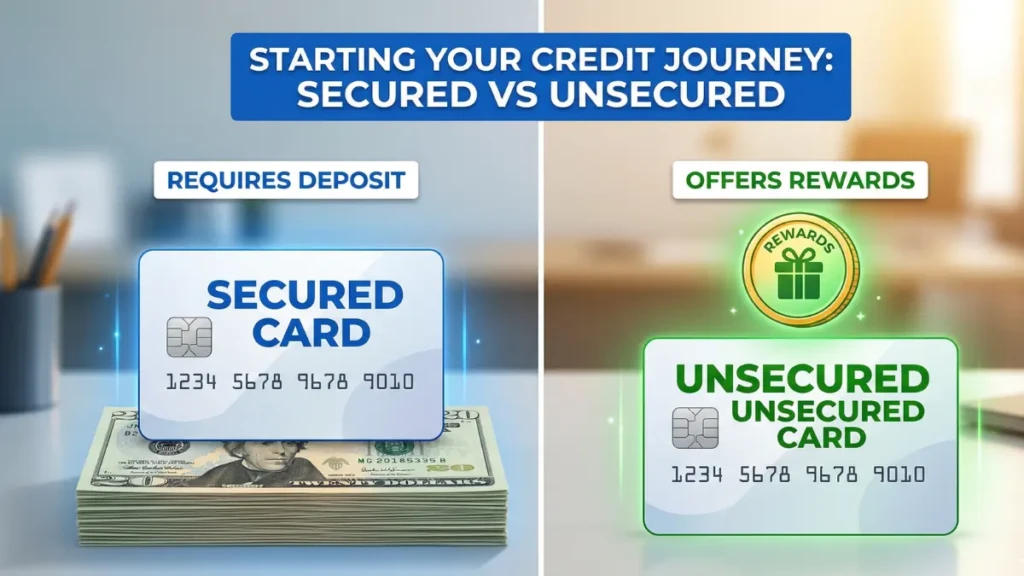
- You’re building credit and want low-fee options
Choose rewards if:
- You travel at least 2–3 times per year
- You spend heavily in bonus categories (dining, hotels, flights)
- You’re willing to learn basic redemption strategy
- You can pay your balance in full every month
Choose both if:
- You want to maximize every dollar
- You’re comfortable managing 2–3 cards
- You have good credit (700+) to qualify for premium cards
FAQ
Is cashback better than rewards points for most people? For the majority of Americans who travel infrequently and prefer simplicity, yes—cashback is more practical. But frequent travelers who learn to redeem points strategically can extract 2–3x more value from rewards cards.
What is the best cashback credit card in the USA in 2026? The Citi Double Cash and Wells Fargo Active Cash are top picks for flat-rate simplicity at 2% on everything with no annual fee. For grocery spenders, the Amex Blue Cash Preferred at 6% back is unbeatable.
Can I have both a cashback and a rewards card? Absolutely—and it’s often the smartest move. Use a flat-rate cashback card as your baseline and a rewards card for travel and dining categories.
Do credit card points expire? It depends on the issuer. Chase Ultimate Rewards and Amex Membership Rewards don’t expire as long as your account is open. Airline miles often expire after 18–24 months of inactivity. Always check your card’s terms.
Are rewards credit cards worth the annual fee? Only if the benefits exceed the fee. Add up all credits, perks, and point values you’ll realistically use. If they total more than the annual fee, it’s worth it.
What credit score do I need for a rewards card? Most premium rewards cards require good to excellent credit—670 minimum, ideally 720+. The best cards like Amex Platinum or Chase Sapphire Reserve typically want 740+.
Is it bad to have multiple credit cards? Not if managed responsibly. Multiple cards can actually help your credit utilization ratio and credit mix. The risk is overspending or missing payments across accounts.

Conclusion
Here’s the bottom line: there’s no universally “better” card type. Cashback wins on simplicity, predictability, and zero-maintenance value. Rewards cards win on ceiling value, travel perks, and the satisfaction of flying business class on points.
The real question isn’t cashback vs rewards—it’s which one matches your life. A busy parent who just wants money back on groceries and gas doesn’t need a 150-page points optimization guide. A travel enthusiast who wants to see the world for less absolutely does.
Start with one card that fits your primary spending pattern, master it, then layer in a second card if it makes sense. That’s it. No spreadsheets required—unless you want them.
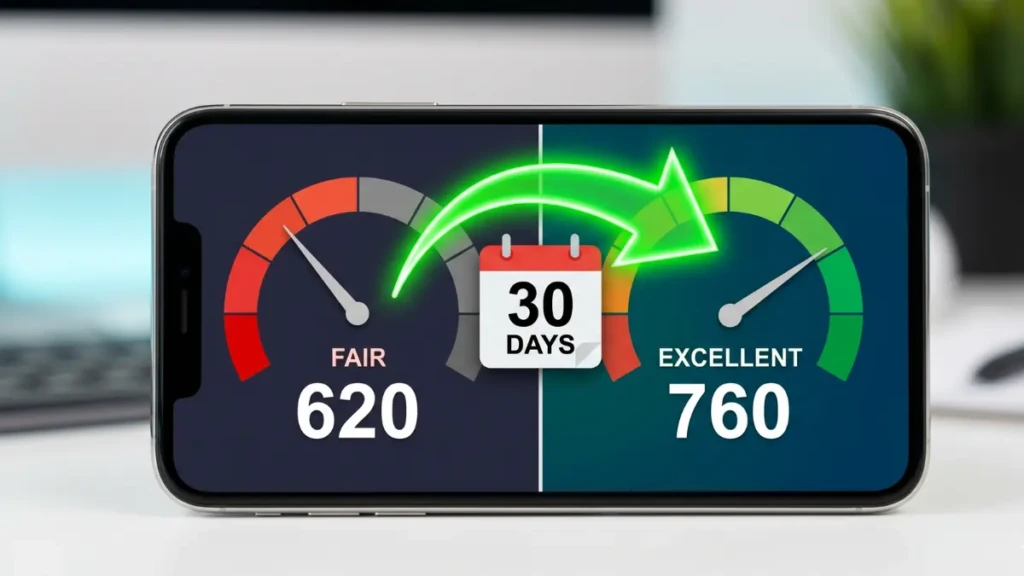
Ready to pick your card? Start by checking your credit score today—then match your card to your score range and spending habits.
Read More:
How to Improve Credit Score Fast in 2026 (Step-by-Step Guide)


Building Credit from Scratch: Step-by-Step for US & Canadian
09th Apr 2026[…] Cashback vs Rewards Credit Cards: Which Is Better […]
How to Avoid Foreign Transaction Fees: Best US & Canadian
09th Apr 2026[…] Cashback vs Rewards Credit Cards: Which Is Better […]
Dropshipping vs. Print-on-Demand: Which is Actually Profitab
11th Apr 2026[…] Cashback vs Rewards Credit Cards: Which Is Better […]
The Best Credit Cards in 2026: Cashback, Travel & No Annual Fee Options
13th Apr 2026[…] Cashback vs Rewards Credit Cards: Which Is Better […]
Best Credit Cards for Beginners in 2026 (USA & Canada)
13th Apr 2026[…] Cashback vs Rewards Credit Cards: Which Is Better […]