

 English




































































2026 Cross-Country USA Road Trip on a Strict Budget: The 14-Day Blueprint

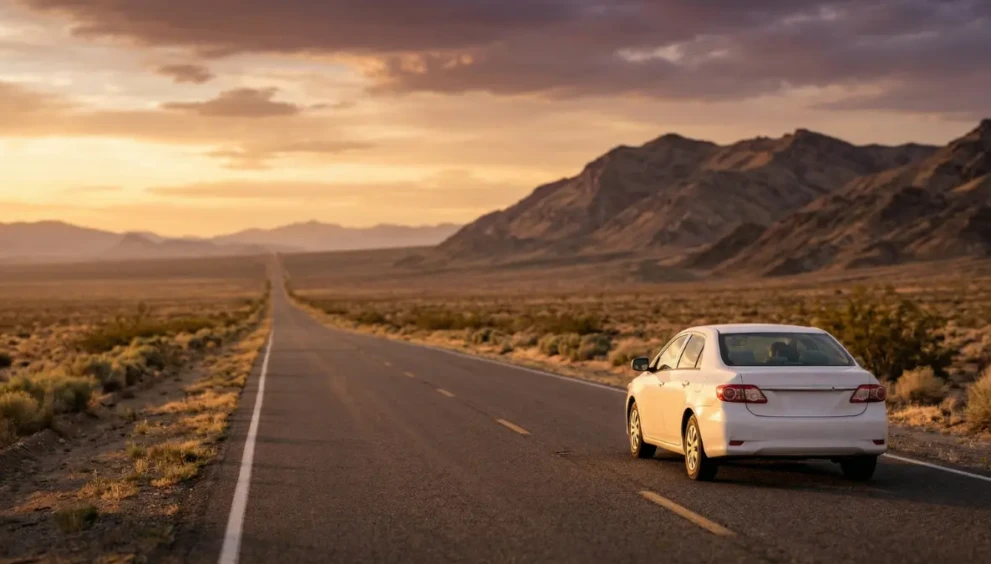
The Great American Road Trip is a rite of passage, but in 2026, it can feel like a financial trap. With gas prices fluctuating and the “van life” trend making even basic campsites more expensive, the dream of driving from sea to shining sea often gets sidelined by the reality of a bank balance.
But here is the truth: America is still remarkably accessible if you know where the “invisible” costs are and how to bypass them. You don’t need a $100,000 Sprinter van or a massive inheritance to see the Painted Desert or the neon lights of Route 66. You just need a solid plan, a cooler full of groceries, and a willingness to sleep under the stars.
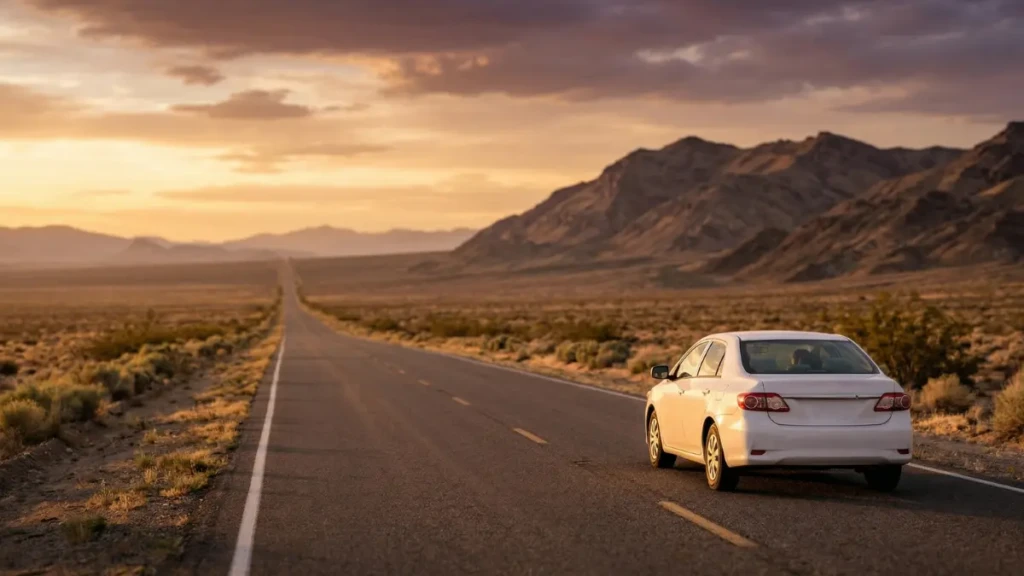
If you are looking for a cross-country USA road trip on a budget, this 14-day itinerary is your survival guide. We are mapping out a route from New York City to San Francisco that prioritizes free experiences, cheap fuel, and the kind of roadside diners that still serve a decent cup of coffee for two bucks.
Table of Contents
- The 2026 Road Trip Math (Gas & Gear)
- The Route: NYC to San Francisco (The Southern-Mid Route)
- Days 1–5: The Appalachian Lean-In & Deep South
- Days 6–10: The High Desert & National Parks
- Days 11–14: The Sierras & The Pacific Coast
- Where to Sleep for $0: The BLM Secret
- Expert Insight: How to Eat for $15 a Day
- Frequently Asked Questions (FAQ)
The 2026 Road Trip Math (Gas & Gear)
Before you put the key in the ignition, we need to talk about the numbers. In 2026, a 3,000-mile trip requires precision.
- The Gas Budget: Assuming an average of 25 MPG and a 2026 national average of $4.15 per gallon, you are looking at $498 in fuel. We suggest budgeting $550 to account for mountain climbs and idling in traffic.
- The Sleeping Budget: By alternating between free “dispersed” camping and budget motels (averaging $85/night), you can keep your 14-day lodging cost under $600.
- The Food Budget: $15–$20 a day is the “sweet spot” if you grocery shop. Total: $280.
Total Estimated Trip Cost: ~$1,430. For a two-week adventure across a continent, that is an incredible value.
Pro Tip: Download the GasBuddy and iOverlander apps immediately. In 2026, the price difference between a gas station off the highway and one three miles into a town can be as much as 60 cents per gallon.
The Route: NYC to San Francisco (14 Days)
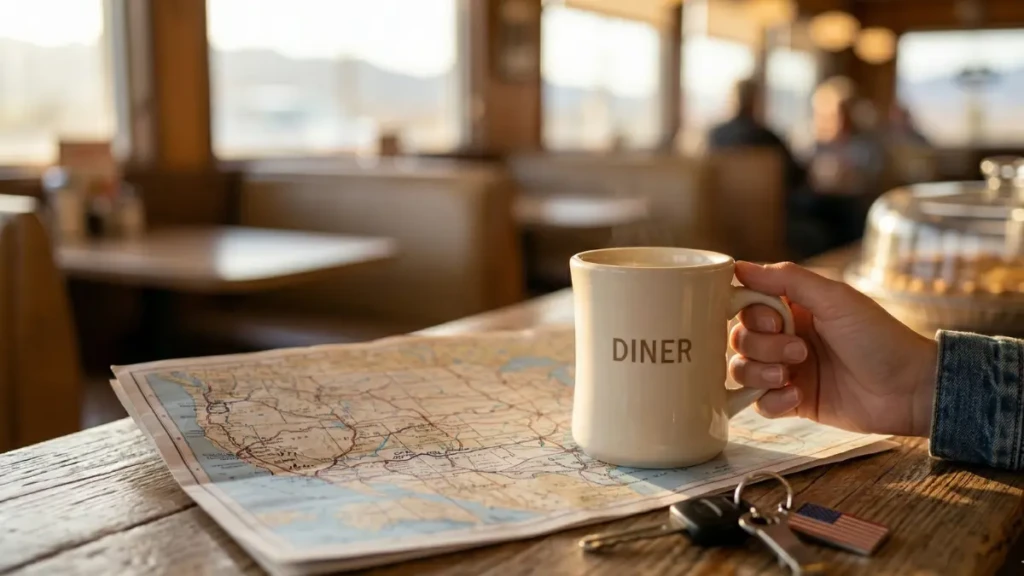
We have chosen the “Southern-Mid” hybrid route. It avoids the heavy tolls of the North and the extreme heat of the Deep South, offering the best balance of free scenery and cheap amenities.
Days 1–3: The Atlantic to the Blue Ridge
- Route: NYC → Roanoke, VA → Nashville, TN.
- The Drive: Leave early to clear Jersey traffic. The Blue Ridge Parkway is free and offers some of the best vistas in the East.
- Where to Sleep: George Washington & Jefferson National Forests (Free dispersed camping).
- Budget Eat: Texas Tavern in Roanoke. Known as “Roanoke’s Millionaires Club,” you can get a “Cheesy Western” burger for a few dollars.
Days 4–7: The Heartland & The Big Sky
- Route: Nashville → Memphis → Oklahoma City → Amarillo, TX.
- The Drive: I-40 is the budget traveler’s best friend. It’s flat, fuel-efficient, and lined with “world’s largest” roadside attractions that cost nothing to see.
- Where to Sleep: Mid-tier motels in Amarillo are significantly cheaper than in Memphis. Look for older, well-reviewed “mom and pop” spots.
- Common Mistake: Buying gas at the “last stop for 50 miles” signs. Usually, there is another station 10 miles later that is much cheaper.
Days 8–11: The Canyonlands & The Desert
- Route: Amarillo → Santa Fe, NM → Sedona, AZ → Zion National Park, UT.
- The Drive: This is the highlight of the trip. The transition from the Texas panhandle to the red rocks of New Mexico is breathtaking.
- National Parks Hack: Buy the America the Beautiful Pass ($80). It covers entry for everyone in your car to every National Park. If you visit more than three parks (which this route does), it pays for itself.
- Where to Sleep: BLM Land (Bureau of Land Management). Outside of Sedona and Zion, there are vast tracts of public land where you can camp for free for up to 14 days.
Days 12–14: The Sierras to the Bay
- Route: Zion → Las Vegas (Drive through) → Yosemite → San Francisco.
- The Drive: Crossing the Sierras via Tioga Pass (if open) is a bucket-list experience.
- The Finish: Crossing the Bay Bridge into San Francisco.
- Expert Insight: Parking in San Francisco will kill your budget. Return your rental car or find a long-term lot outside the city center and use BART to get around.
Where to Sleep for $0: The BLM Secret
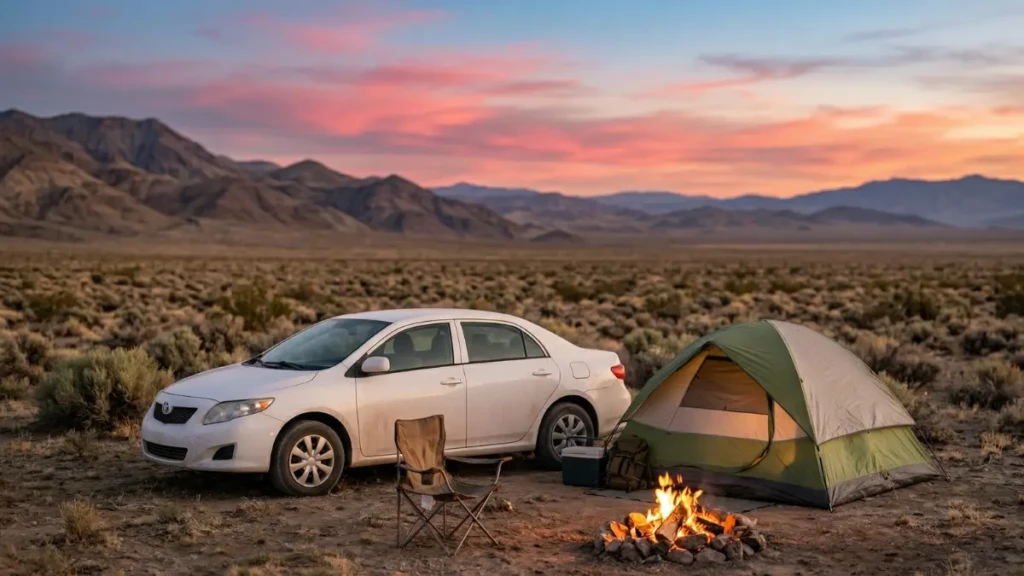
The biggest expense on any cross-country USA road trip on a budget is lodging. If you want to keep costs low, you have to embrace “dispersed camping.”
In the Western US, the government owns millions of acres of BLM and National Forest land. You are legally allowed to drive your car into these areas and sleep for free. There are no bathrooms or running water, but the views are often better than a $500-a-night resort.
Need to prep your car for a long haul? Check out our guide on [Internal Link: Essential Car Maintenance for Long-Distance Travelers] to avoid costly breakdowns.
Expert Insight: How to Eat for $15 a Day
We asked long-haul traveler and budget strategist Sarah Jenkins for her #1 tip for 2026 road trip dining.
“Stop thinking in terms of restaurants. Your biggest financial leak is the $12 ‘fast food’ meal that leaves you hungry two hours later. In 2026, the savvy traveler uses a rotisserie chicken hack. Buy a pre-cooked chicken at a grocery store for $7–$9, a bag of salad, and some wraps. That is three high-protein meals for about $4 per meal. Save the ‘restaurant money’ for one iconic local diner every three days.”
Frequently Asked Questions (FAQ)
Is a cross-country road trip safe in 2026? Yes, but you must stay informed. Use apps like Waze for real-time road conditions and Weather.gov for sudden desert storms or mountain snow. Always let someone know your “check-in” location if you are camping in dispersed areas without cell service.
How much should I save for emergencies? Always keep an “Oh No” fund of at least $500–$800 separate from your trip budget. This covers a blown tire, a tow, or a sudden night in a hotel if weather turns bad.
What is the best car for a budget road trip? Reliability and MPG are king. A mid-sized hybrid (like a Toyota Prius or RAV4 Hybrid) is the gold standard for 2026. If you are renting, calculate the fuel savings of a hybrid vs. the lower rental cost of a gas-only car—usually, the hybrid wins on a 3,000-mile trip.
Can I do this trip in 10 days? You can, but you’ll spend 8–10 hours a day driving. 14 days allows for “zero days”—days where you don’t drive at all and actually hike the parks you paid to see.
Ready to Claim the Road?
The open road isn’t just for the wealthy. It belongs to anyone with a map and a bit of grit. By managing your fuel consumption, leveraging public lands for sleep, and eating like a local, you can see the best of America without a mountain of debt.
Realated Post:
25 Most Beautiful Small Towns in Canada 2025 — You Need
7 Underrated, Budget-Friendly Weekend Getaways from Toronto (That Aren’t Niagara Falls)
TSA vs CATSA Liquid Rules 2026: Carry-On Packing Guide
10th Apr 2026[…] 2026 Cross-Country USA Road Trip on a Strict Budget: The […]
Should You Book Flights with Points or Cash? The 2026
10th Apr 2026[…] 2026 Cross-Country USA Road Trip on a Strict Budget: The […]