

 English























































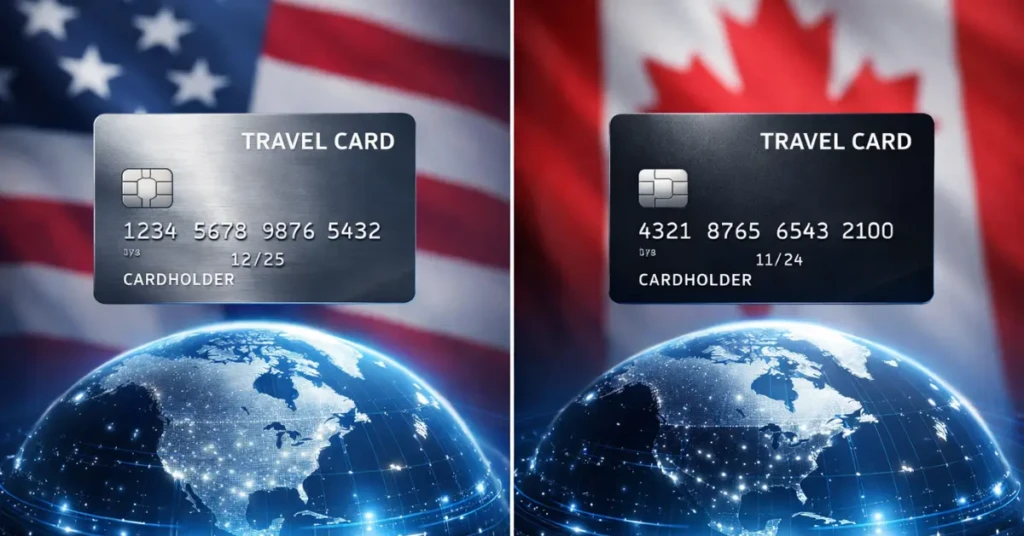











The Best Credit Cards in 2026: Cashback, Travel & No Annual Fee Options

Every time you swipe a debit card for a cup of coffee, a flight, or a massive Meta Ads campaign for your digital agency, you are leaving money on the table.
In 2026, credit cards are no longer just tools for borrowing money; they are high-yield financial instruments. Whether you are aiming to fund luxury travel through sign-up bonuses, earn a flat cash return on your monthly software subscriptions, or scale a business without paying interest, your wallet needs a strategy.
However, the credit card market in North America is saturated with overhyped plastic that charges exorbitant annual fees for useless perks. To maximize your return on spend (ROS), you need a targeted approach that aligns with your specific financial goals.
This is your ultimate hub for the best credit cards in 2026. Bookmark this page, as we break down the undisputed champions across the US and Canadian markets.
Table of Contents
- Interactive Tool: The 2026 Card Strategy Matchmaker
- The Great Debate: Cashback vs Rewards Cards
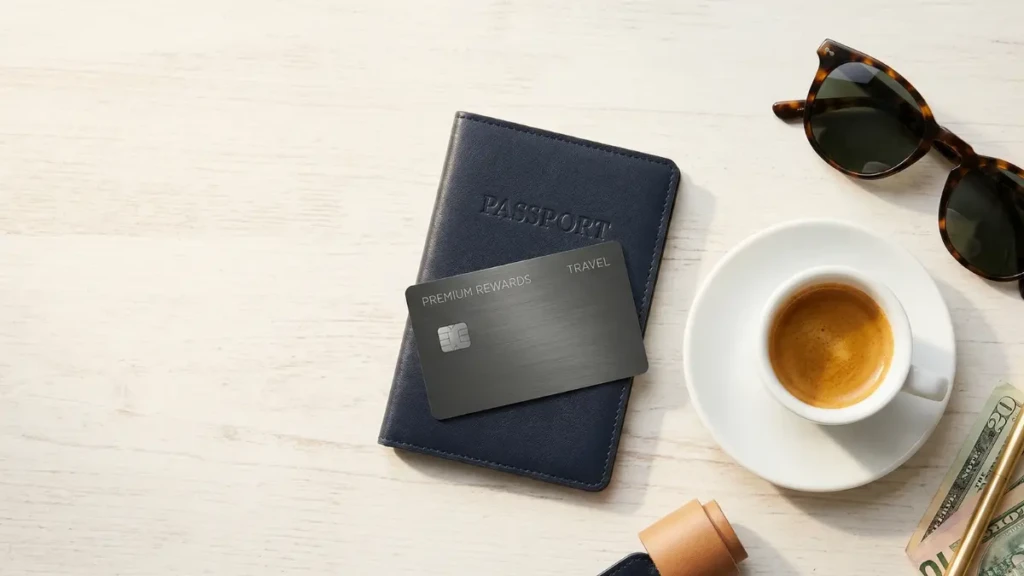
- Best Travel Cards (For the Upgraded Nomad)
- Best Business Cards (Maximizing Digital Ad Spend)
- Best No Annual Fee Cards (The Minimalist Wallet)
- Expert Insight: The Application Timing Strategy
- Frequently Asked Questions (FAQ)
Interactive Tool: The 2026 Card Strategy Matchmaker
Not sure which card category deserves your next application? Use our diagnostic tool to find the highest-ROI card type for your specific spending habits.Show me the visualization
The Great Debate: Cashback vs Rewards Cards

Before diving into specific cards, you must decide your endgame.
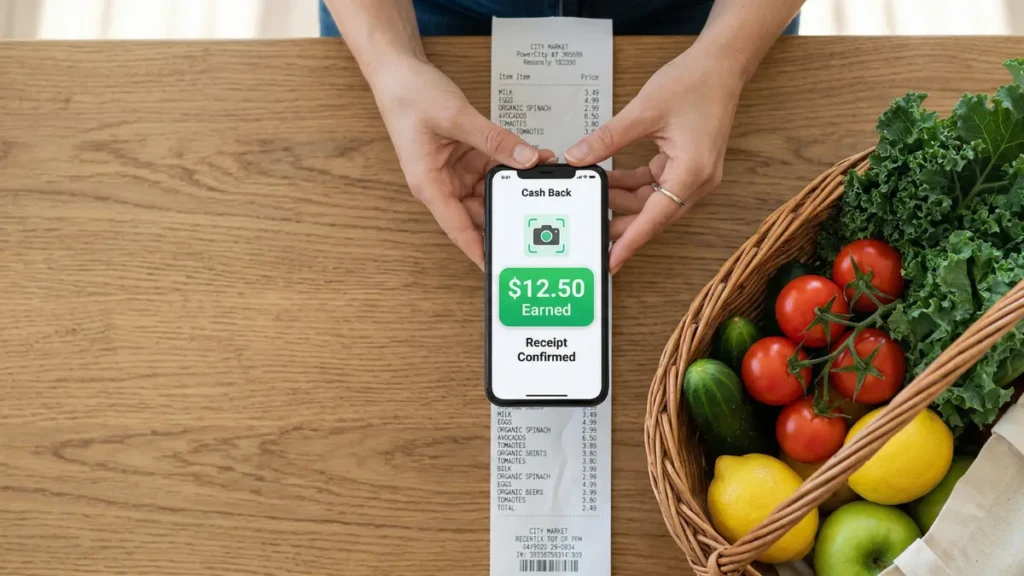
- Cashback Cards: These are for the practical optimizer. If you earn 2% cash back, you know exactly what it’s worth. It is highly liquid, effortlessly deposited into your checking account, and requires zero brainpower.
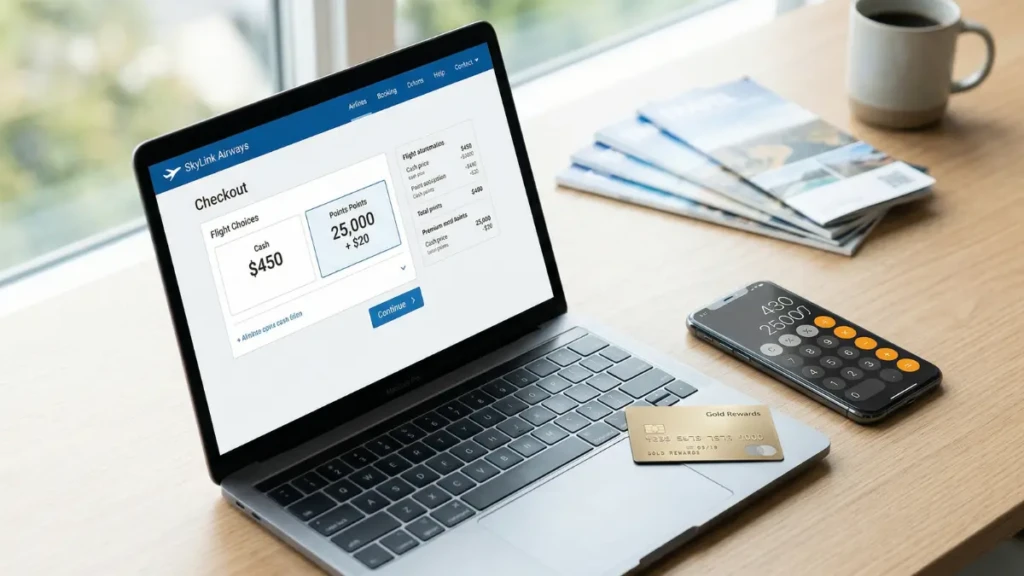
- Rewards (Points/Miles) Cards: These are for the strategic traveler. Points are not created equal. While a bank might value a point at 1 cent, transferring those points to an airline partner (like Air Canada Aeroplan or United MileagePlus) can yield values of 3 to 5 cents per point when booking international business class. Rule of thumb: Choose points for luxury travel, choose cash for simplicity.
Best Travel Cards (For the Upgraded Nomad)
If you are planning to work remotely from high-end global destinations, you need a card that waives foreign transaction fees and grants airport lounge access.
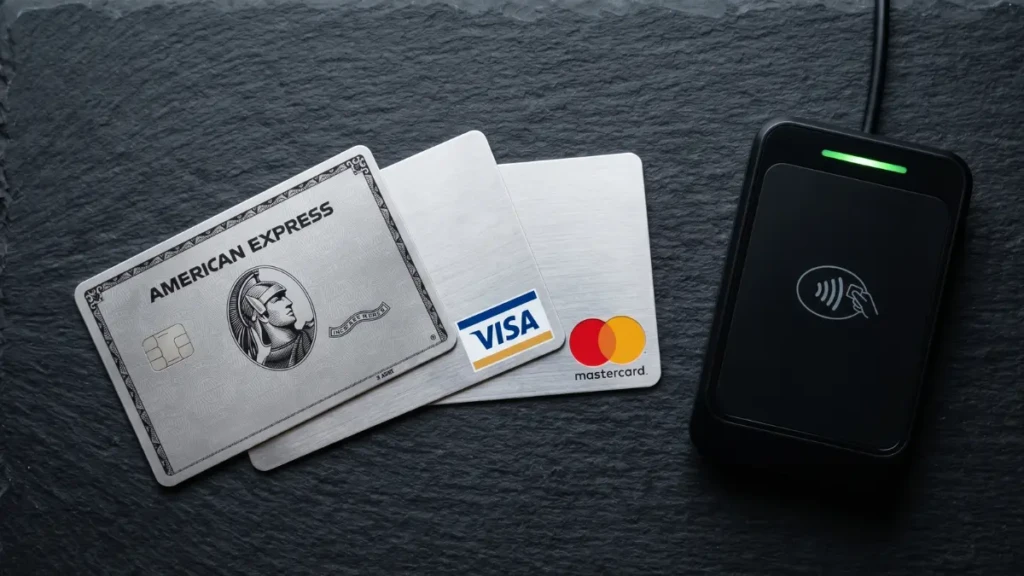
- Top Credit Cards USA: The Chase Sapphire Preferred® remains the undisputed king of the entry-level travel market in 2026. With a reasonable $95 annual fee, incredibly valuable transfer partners (like Hyatt), and robust trip delay insurance, it is the perfect starter card. For ultra-premium luxury, the Amex Platinum offers unparalleled lounge access, though it comes with a steep $695 fee.
- Best Credit Cards Canada: The American Express Cobalt® is the powerhouse of the Canadian market. It earns 5x points on dining and groceries, which can be transferred 1:1 to Aeroplan. For a Visa alternative (since Amex acceptance varies), the TD® Aeroplan® Visa Infinite* provides fantastic direct airline perks.
[Explore deeper in our dedicated cluster: How to Plan a Luxury Vacation on a Middle-Class Income: The 6-Month Strategy]
Best Business Cards (Maximizing Digital Ad Spend)

If you run online platforms, manage a performance marketing agency, or drive traffic via SEO and paid media, your business expenses are your greatest asset.
- The US Pick: The Chase Ink Business Preferred®. This is a non-negotiable tool for digital marketers. It earns 3x points on the first $150,000 spent on travel, shipping, internet/cable, and crucially, advertising purchases made with social media sites and search engines. If you are spending $10k a month on Meta or Google Ads, this card practically funds your personal vacations.
- The Canadian Pick: The Amex Business Edge™ offers 3x points on business essentials, including electronics and rideshares, making it an excellent tool for scaling entrepreneurs.
[Explore deeper in our dedicated cluster: The Ultimate Guide to LLCs vs. S-Corps for Digital Marketers in 2026]
Best No Annual Fee Cards (The Minimalist Wallet)
If you are violently opposed to paying a bank an annual fee, you can still build a highly lucrative, zero-cost wallet.
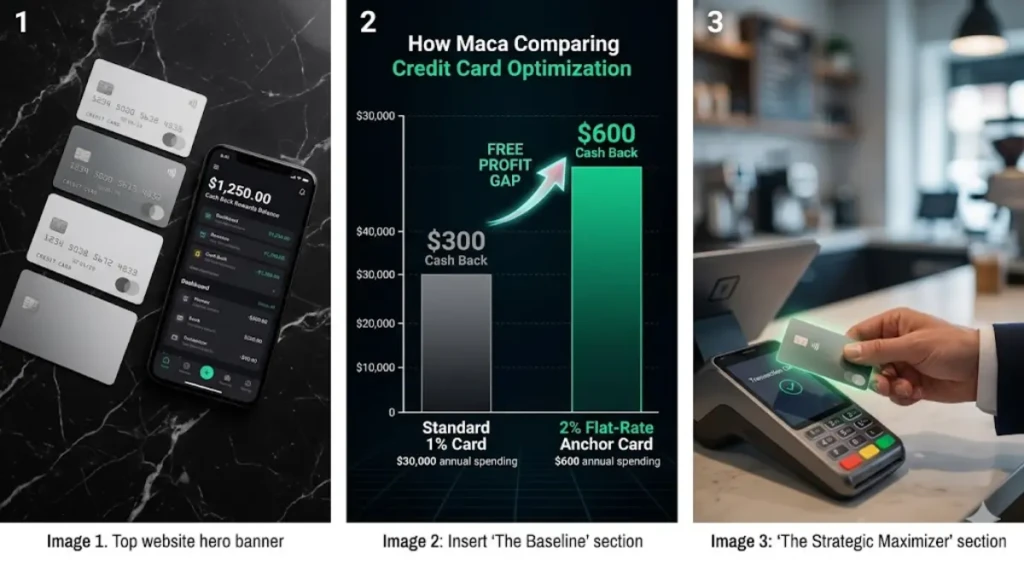
- The US Pick: The Citi® Double Cash Card. It is brilliantly simple: earn 1% when you buy, and 1% when you pay your bill, yielding a flat 2% cash back on absolutely everything. No categories to track.
- The Canadian Pick: The Tangerine Money-Back Credit Card. It allows you to pick up to three spending categories (like groceries, gas, and recurring bills) to earn 2% cash back, with no annual fee.
Expert Insight: The Application Timing Strategy
We spoke with financial planner and travel hacking expert, Marcus Thorne, about the biggest mistake applicants make.
“People apply for a premium rewards card right before they board a flight, hoping to get lounge access. That is the wrong strategy. In 2026, the real value of these cards is the Sign-Up Bonus (SUB), which often requires you to spend $4,000 in the first three months. You should apply for these cards right before you have a massive, planned cash expense—like prepaying your yearly web hosting, funding a new ad campaign, or paying quarterly taxes. Never buy things you don’t need just to hit a minimum spend.”
Frequently Asked Questions (FAQ)

Will applying for multiple credit cards ruin my credit score?
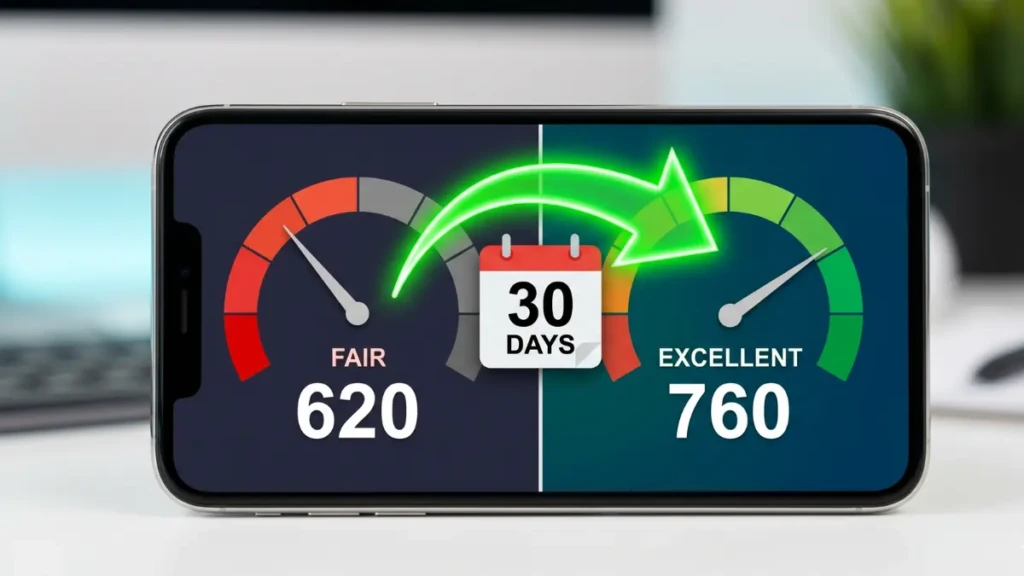
In the short term, applying for a card results in a “hard pull,” which usually drops your score by 3 to 5 points. However, getting a new card increases your total available credit. As long as you pay your balance in full every month, your “credit utilization ratio” will drop, which typically results in a higher credit score within a few months.
Can a Canadian use a US credit card?
Yes, but it requires a strategic setup. Many Canadian digital nomads and entrepreneurs utilize “Cross-Border Banking” services (like RBC Bank US or TD Bank US) to establish a US address and use their Canadian credit history (via Nova Credit or direct bank relationships) to apply for highly lucrative top credit cards in the USA, where sign-up bonuses are historically much larger.
Should I cancel my old credit cards to boost my score?
Generally, no. Fifteen percent of your credit score is based on the “length of credit history.” If you cancel your oldest credit card, you shorten your average account age, which can lower your score. If your oldest card has an annual fee you no longer want to pay, ask the bank to “downgrade” it to a no annual fee card to keep the account history alive.
Ready to Optimize Your Wallet?
Whether you are scaling a digital empire, funding a luxury lifestyle, or just trying to get a 2% discount on your groceries, there is a 2026 credit card designed for your exact habits. Stop using debit cards, protect your purchases, and start making your everyday spending work for you.
Related Post:

Best Credit Cards for Beginners in 2026 (USA & Canada)
13th Apr 2026[…] The Best Credit Cards in 2026: Cashback, Travel & No […]
How to Improve Credit Score Fast in 2026 (Step-by-Step Guide)
14th Apr 2026[…] The Best Credit Cards in 2026: Cashback, Travel […]