

 English






































How to Start a Business in 2026 (The Step-by-Step Guide)

The traditional blueprint for launching a company is officially obsolete. If you are looking at how to start a business 2026, the era of massive overhead, bloated teams, and hyper-local limitations is dead.
Today, a founder with a laptop, a heavily optimized AI workflow, and a ruthless focus on performance metrics can outmaneuver legacy corporations in a matter of months. The barrier to entry has never been lower, but the barrier to success has never been more technical.
Whether you are launching a digital agency, an e-commerce brand, or a tech startup, the formula for survival relies on removing the guesswork. You do not need a 40-page business plan; you need an automated infrastructure and a system that generates leads on demand.
If you are ready to start a business from scratch, here is the ultimate, step-by-step masterclass on how to build, optimize, and scale a profitable empire this year.
Table of Contents
- Phase 1: The Global Mindset
- Phase 2: AI as Your Operational Backbone
- Phase 3: Building Predictable Revenue Systems
- Phase 4: Performance Marketing vs. Vanity Metrics
- Phase 5: High-Intent Content and SEO
- Expert Insight: The Structured Data Advantage
- Frequently Asked Questions (FAQ)
Phase 1: The Global Mindset
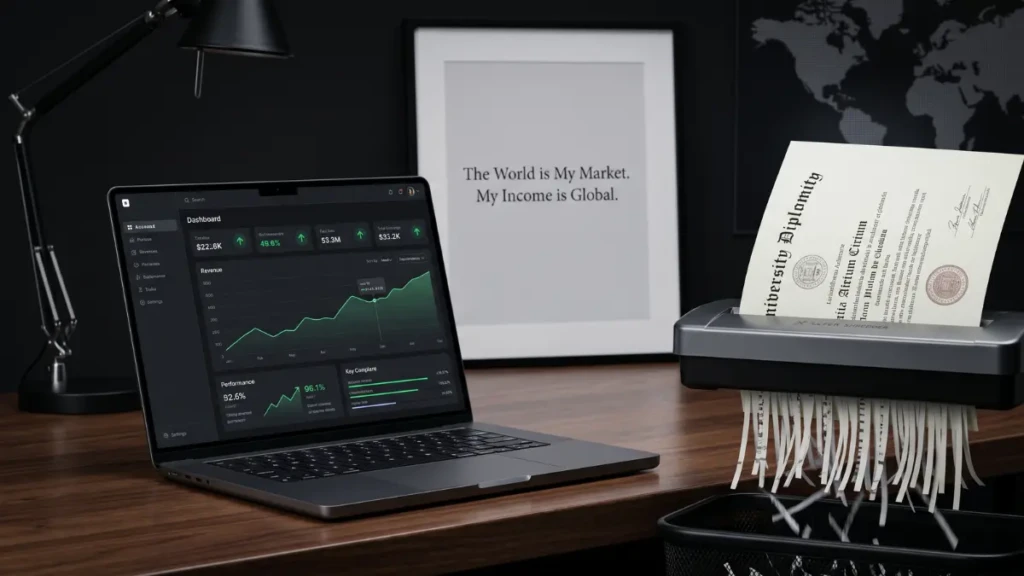
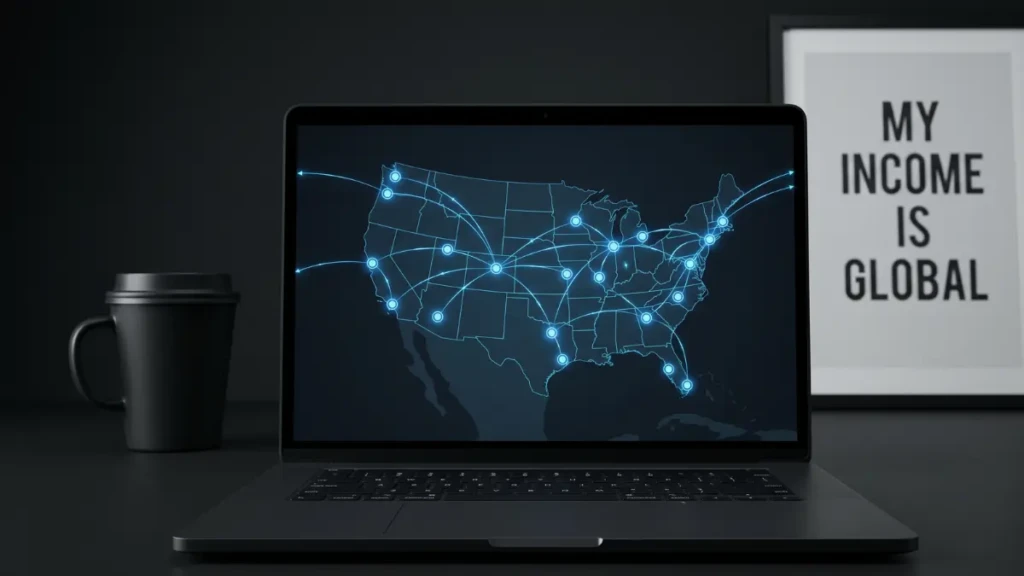
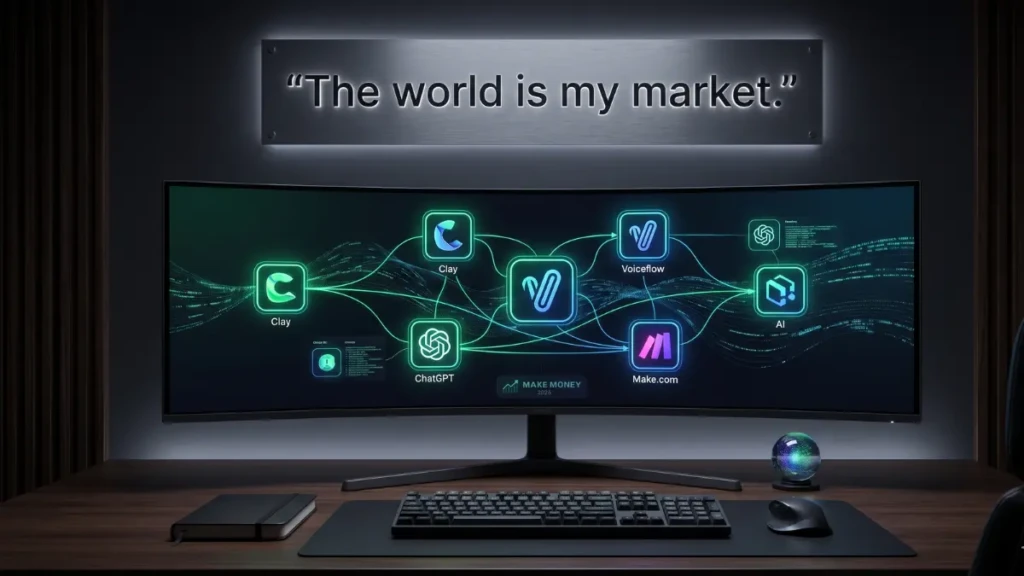
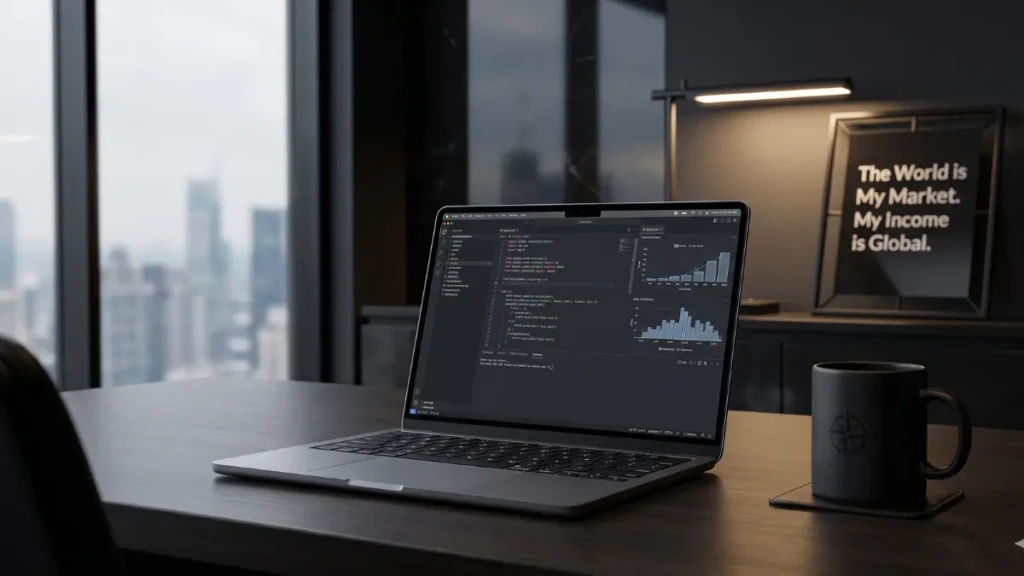
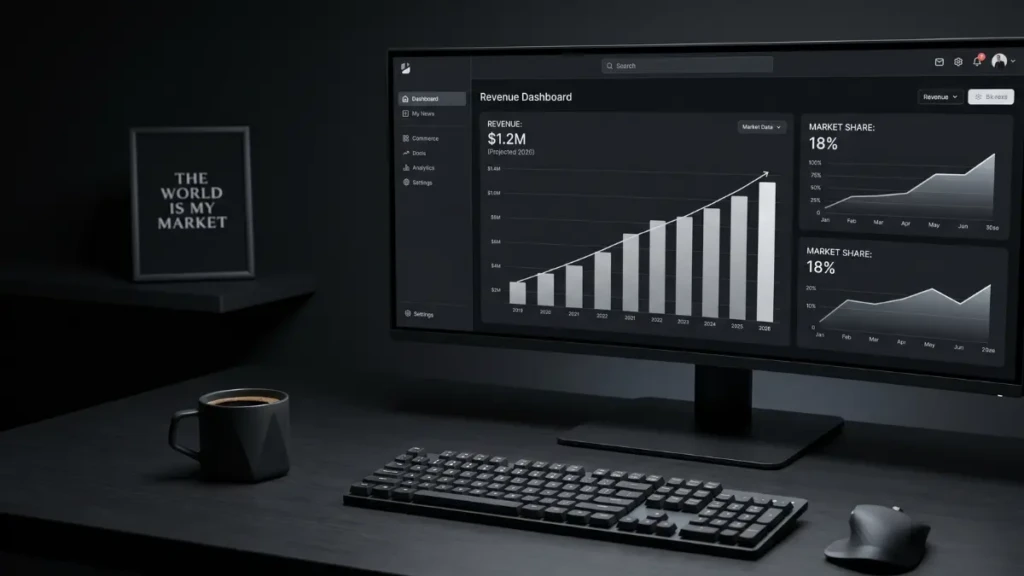
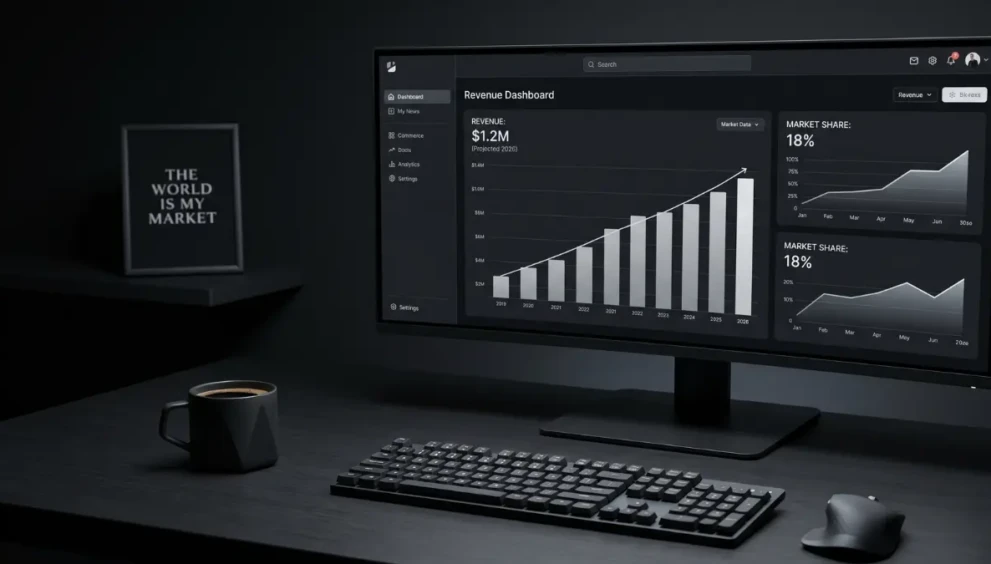
Before you register a domain or build a product, you must internalize one absolute truth: The world is your market. Your income is global.
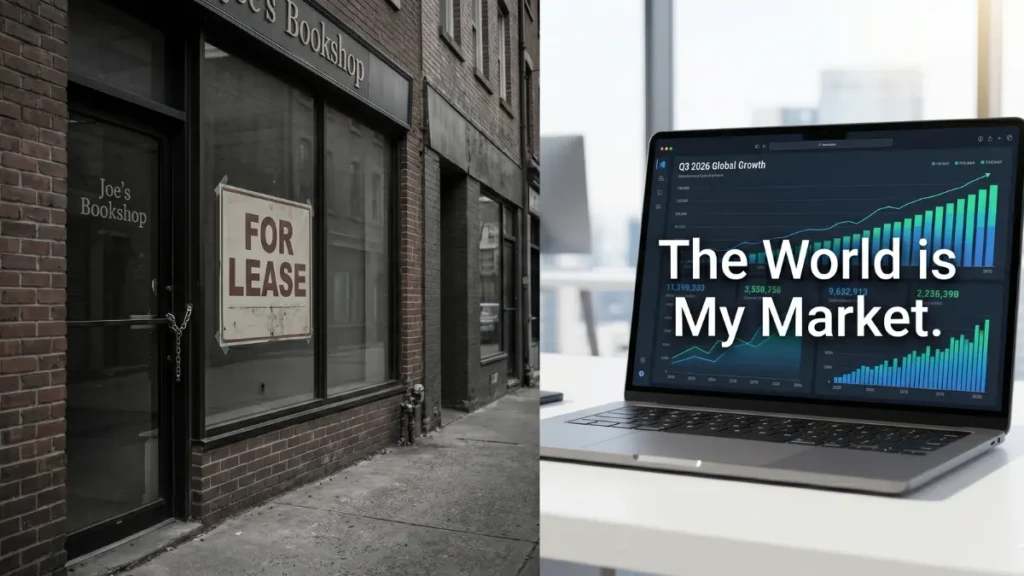
In 2026, restricting your customer base to your immediate physical geography is a fatal error. A modern small business strategy assumes a borderless approach from Day One.
- The Action Step: When defining your ideal client profile (ICP), design your service or product so it can be delivered digitally or shipped internationally without friction. Your branding should reflect a premium, global ambition. Operate as if your desk is the control center for a worldwide operation, because it is.
Phase 2: AI as Your Operational Backbone
Two years ago, AI was a novelty used to write clever emails. In 2026, AI is your operational infrastructure.
When you learn how to grow a business today, the first lesson is cost reduction. You no longer need to hire a team of junior employees to handle administrative bottlenecks.
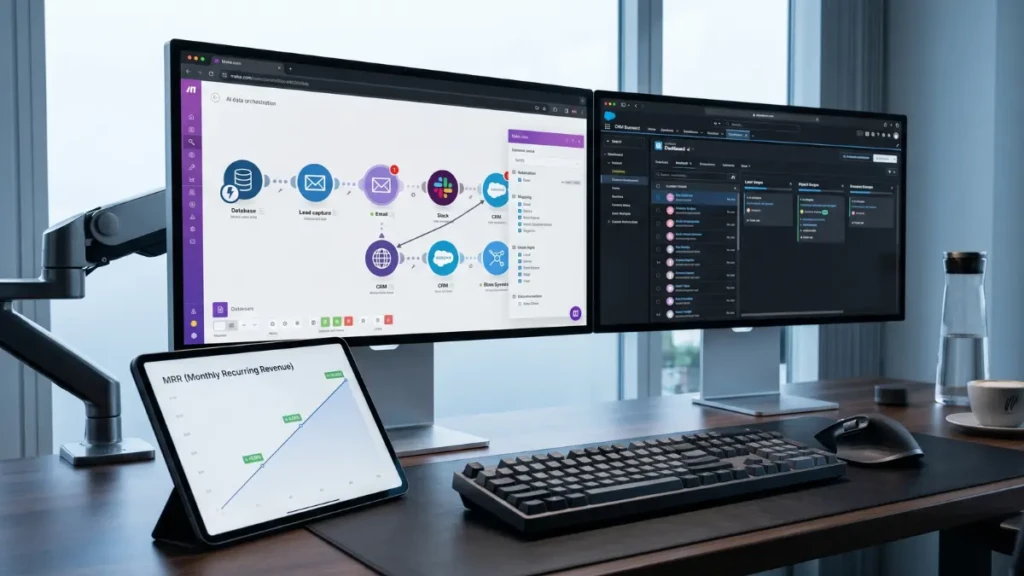
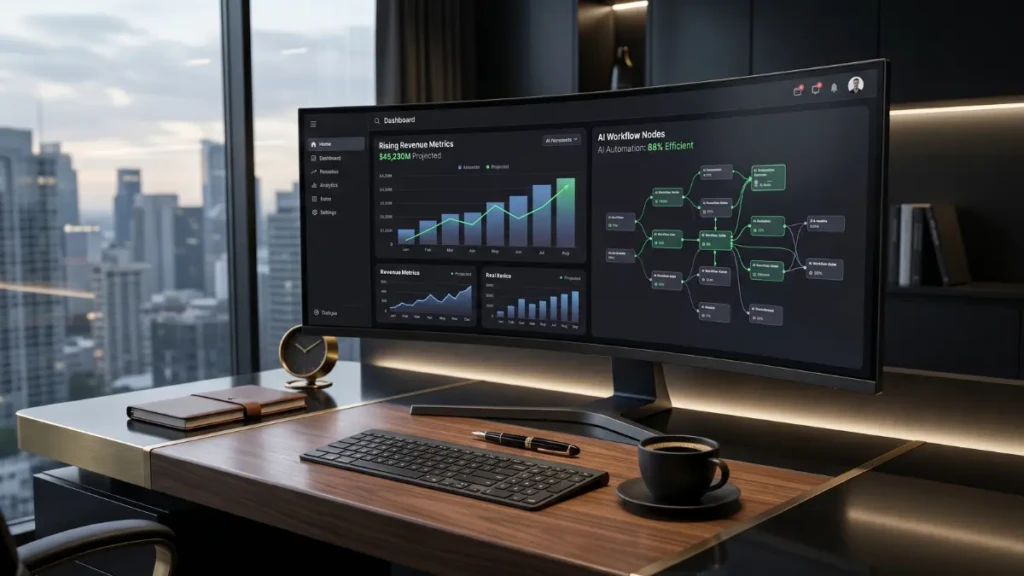
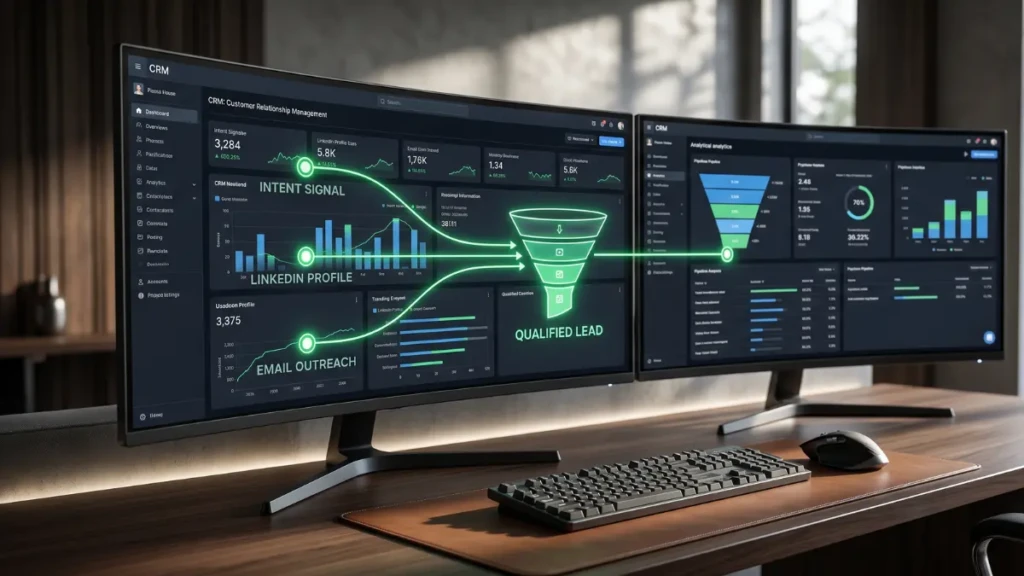
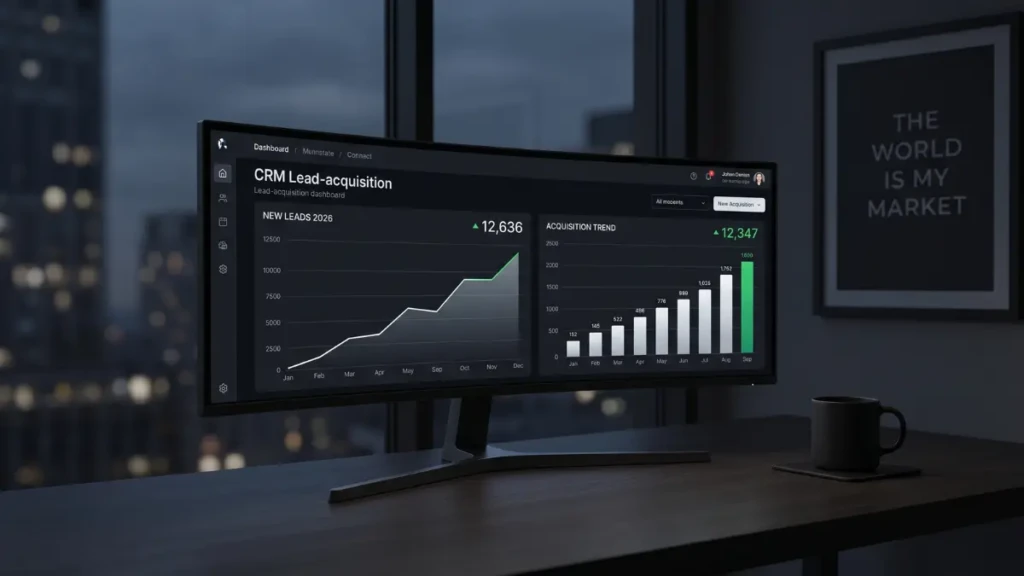
- The Action Step: Deploy AI tools to handle the “busy work.” Use agentic AI workflows to automate your customer service routing, manage your CRM data entry, and outline your marketing copy. By using AI to optimize and scale, you keep your profit margins aggressively high while maintaining the agility of a solopreneur.
Phase 3: Building Predictable Revenue Systems
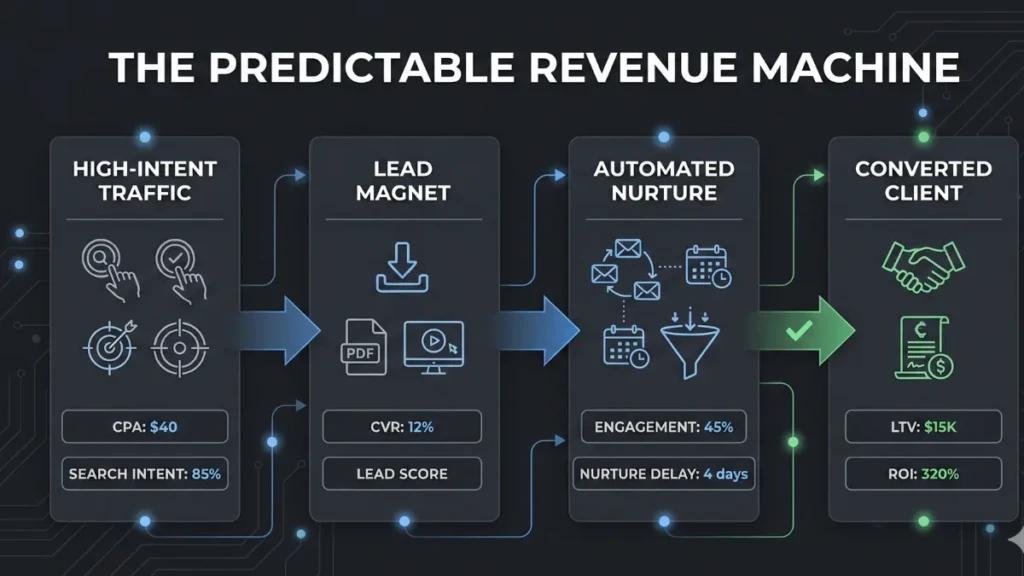
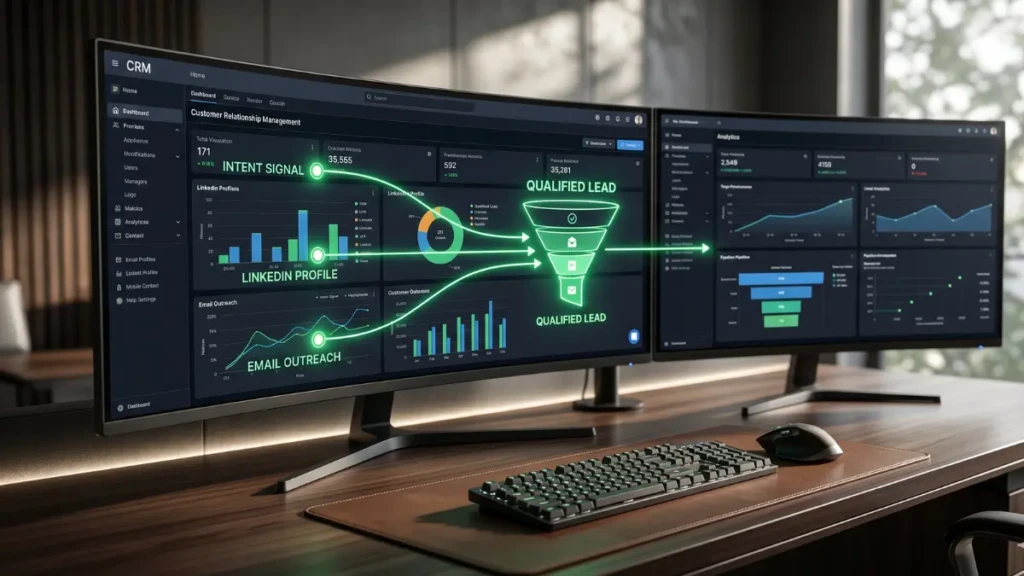
A business that relies on “hoping” the phone will ring is not a business; it is a high-stress hobby. The core difference between a struggling freelancer and a wealthy founder is the implementation of a Predictable Revenue System.
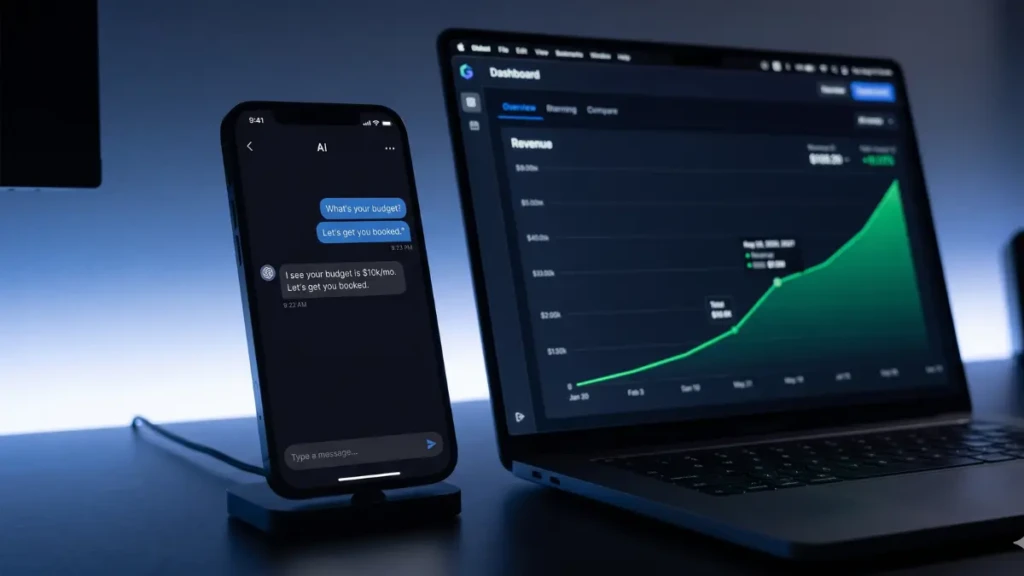
- The Action Step: You must engineer a machine where $1 in ad spend reliably generates $3 (or more) in revenue. This requires mapping out a strict, friction-free funnel.
- A high-converting landing page.
- A compelling lead magnet (solving a specific pain point).
- An automated email sequence that nurtures the prospect.
- A frictionless checkout or booking process. Once this system is mathematically sound, scaling your business simply becomes a matter of turning up the traffic.
Phase 4: Performance Marketing vs. Vanity Metrics
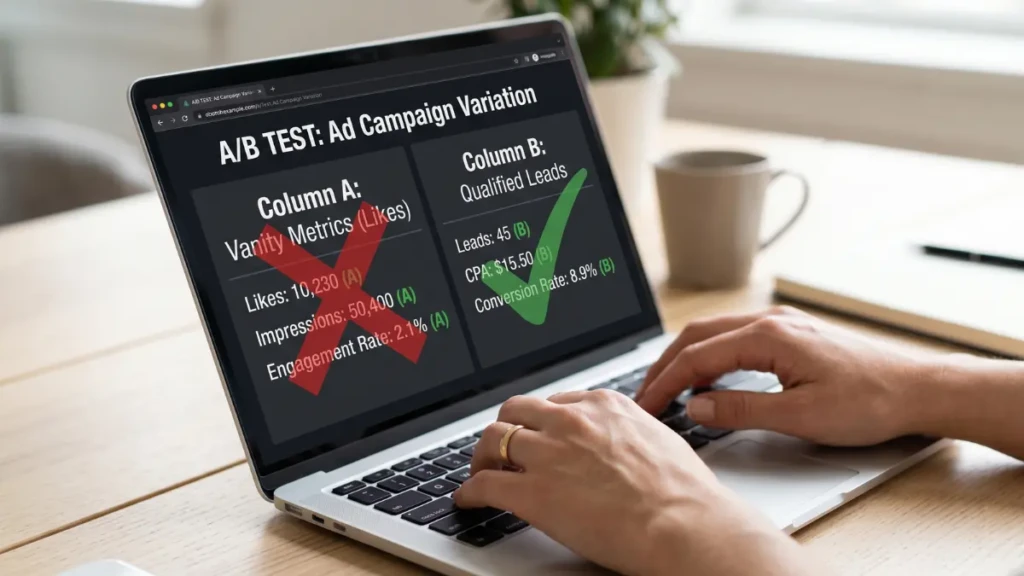
One of the most dangerous traps founders fall into is chasing likes, followers, and social media engagement.
Let this be your guiding principle for 2026: Likes do not pay the bills. Leads do.
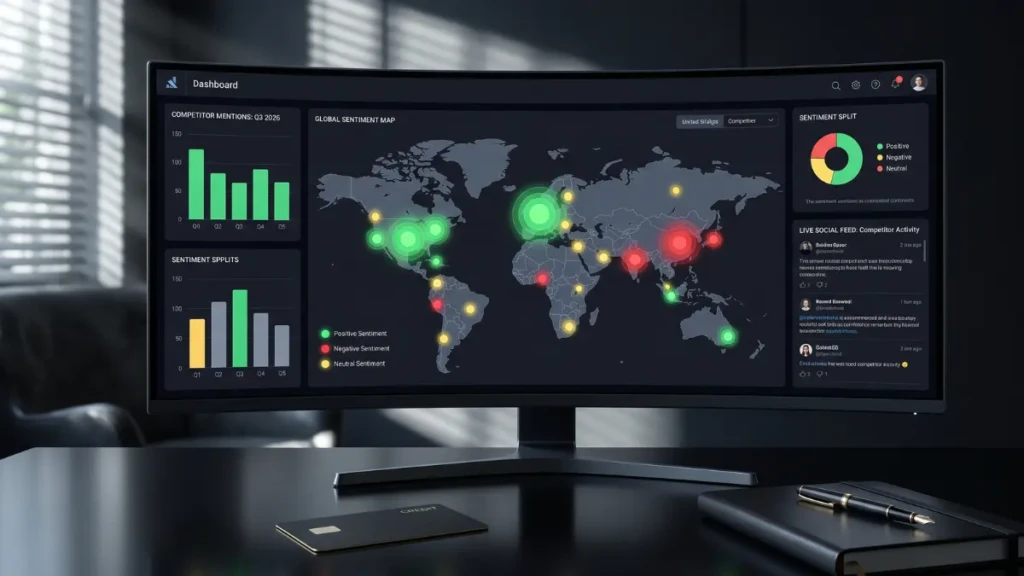
- The Action Step: Shift your entire budget and energy away from vanity metrics and toward hard performance marketing. Every piece of content you produce, every ad you run, and every email you send must have a measurable Return on Investment (ROI). Focus obsessively on your Cost Per Acquisition (CPA) and your Customer Lifetime Value (CLTV). If a marketing channel does not directly convert into qualified leads, cut it.
Phase 5: High-Intent Content and SEO
While paid ads are the fuel for your predictable revenue engine, organic Search Engine Optimization (SEO) is the real estate that secures your long-term wealth.
To dominate your niche, you must position yourself as an unshakeable authority.
- The Action Step: Build a high-performance blog targeting high-intent, bottom-of-the-funnel keywords. Don’t just write generic advice. Write deep, analytical content that answers the exact questions your buyers are typing into Google. A well-ranking, SEO-optimized article acts as a 24/7 sales representative that never sleeps, constantly feeding high-quality traffic into your revenue systems.
Expert Insight: The Structured Data Advantage
We asked a scaling consultant what separates top-tier operators from the rest of the pack in 2026.
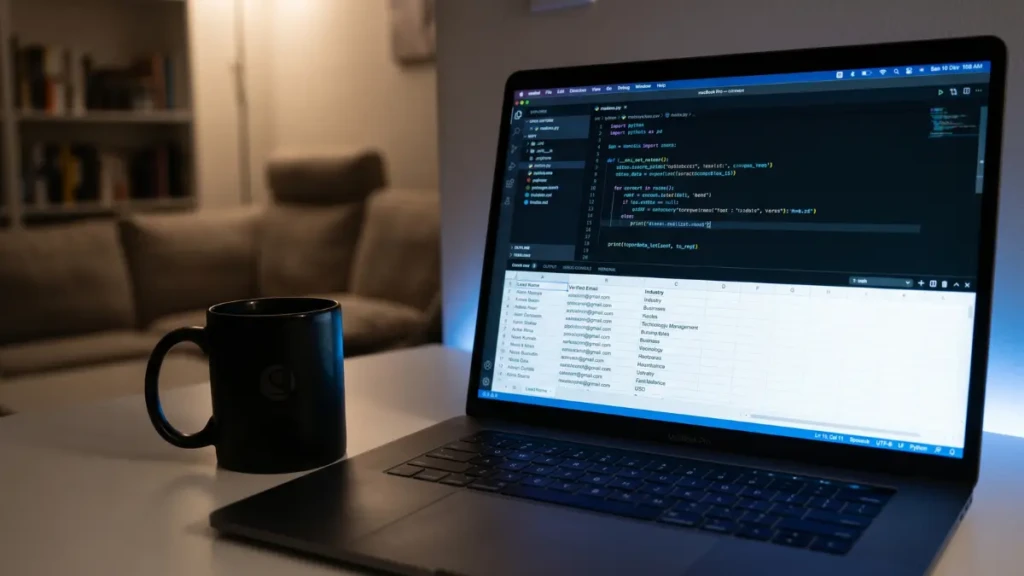
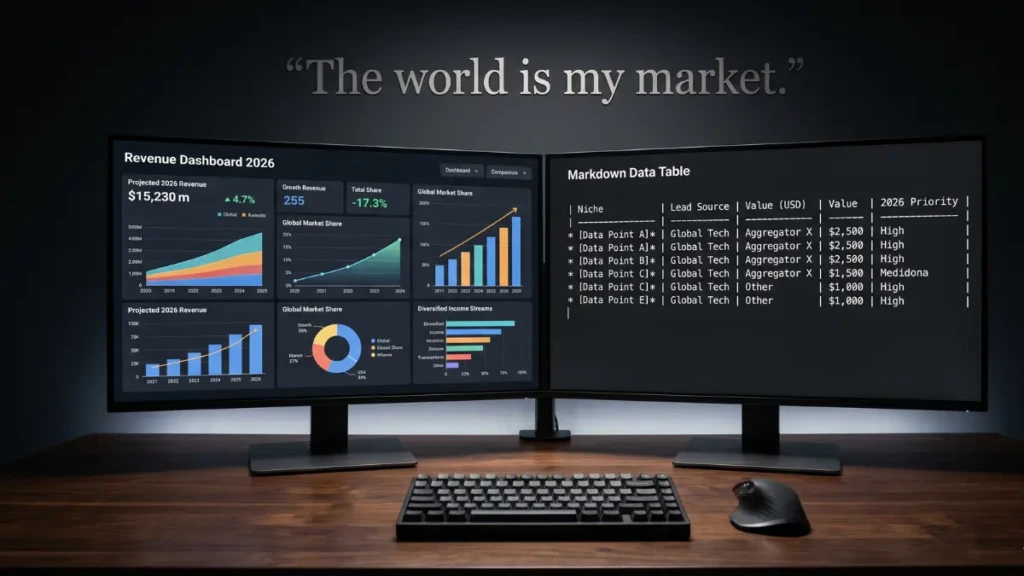
“Amateurs make decisions based on emotion; professionals make decisions based on structured data. Whether you are aggregating a list of 250 local B2B leads or analyzing your monthly profit margins, you must organize your business in a structured format. Keep your databases impeccably clean using Markdown or CSV files. When your data is structured, you can spot inefficiencies instantly and pivot your strategy before you lose money.”
Frequently Asked Questions (FAQ)
What is the most profitable business to start in 2026?
The highest-margin businesses in 2026 are B2B service-based models, SaaS (Software as a Service), and specialized digital marketing agencies. Because these businesses rely on digital delivery and AI automation rather than physical inventory, they offer profit margins that traditional retail cannot match.
How much money do I need to start a business from scratch?
With cloud computing and AI, capital requirements have plummeted. You can comfortably launch a digital consulting or performance marketing brand for under $500. This covers a premium domain, fast web hosting, a professional workspace setup, and essential software subscriptions to build your initial revenue systems.
Do I need an LLC to start a business?
While you can legally start operating as a Sole Proprietorship immediately, forming an LLC (Limited Liability Company) or a regional equivalent is highly recommended as soon as you generate revenue. It protects your personal assets and instantly elevates the professional credibility of your brand to global clients.
How do I get my first clients?
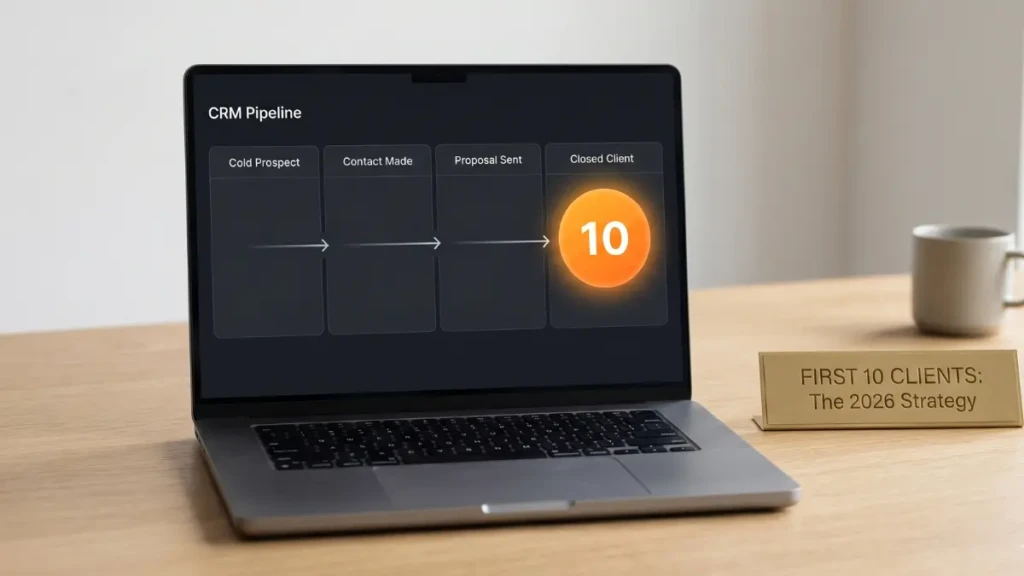
Do not wait for inbound SEO to kick in during your first month. Launch targeted, direct-outreach campaigns. Use structured data to identify 100 highly qualified prospects in your niche, and send them a hyper-personalized pitch focused entirely on the ROI you can generate for them.
Command Your Market
Understanding how to start a business 2026 requires a fundamental shift in perspective. You are not building a local shop; you are engineering a global asset. By cutting the busy work with AI, focusing strictly on performance marketing, and designing predictable revenue systems, you guarantee your own success.
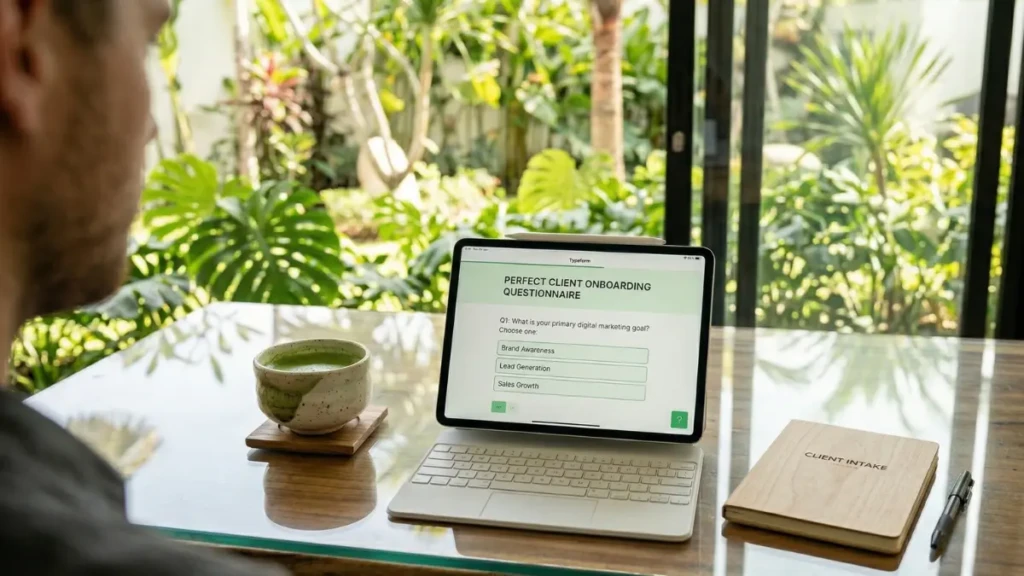
Ready to drive traffic to your new venture? Dive into our masterclass on [The Perfect 3-Step Client Onboarding Questionnaire for Digital Marketers] to turn your website into a lead-generation machine.


How to Start a Business with No Money in 2026 (Low Investment Guide)
15th Apr 2026[…] How to Start a Business in 2026 (The Step-by-Step Guide) […]
15 Low Investment Business Ideas for 2026 (Highly Profitable)
16th Apr 2026[…] How to Start a Business in 2026 (The Step-by-Step Guide) […]
How to Get Your First 10 Clients: The 2026 Blueprint
16th Apr 2026[…] How to Start a Business in 2026 (The […]
The 10-Minute "Micro-Workout" Replacing the Gym for Busy Professionals
17th Apr 2026[…] How to Start a Business in 2026 (The […]