

 English



























































The “Silent” Side Hustle Making $500/Week from Home (2026)

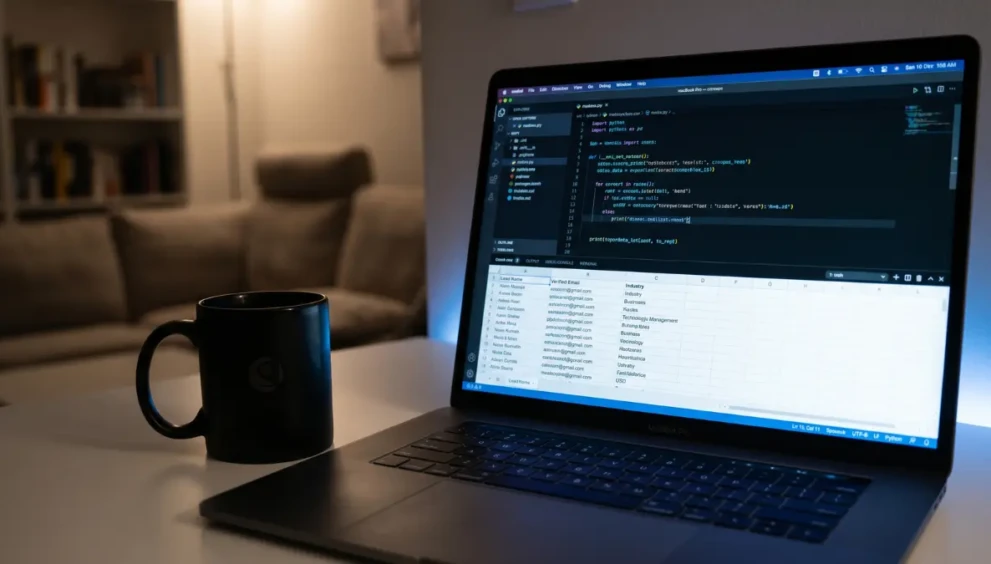
If you look at the most popular business advice online, it seems like making extra money requires you to become a public spectacle. You are told to launch a YouTube channel, dance on TikTok, or aggressively network on LinkedIn.
For the vast majority of North Americans dealing with high financial anxiety, this is a nightmare. After a 40-hour work week, the last thing you want to do is jump on a sales Zoom call or film content. You don’t want a public brand; you just want a predictable revenue stream.
Welcome to the era of the introvert side hustle.
In the 2026 economy, there is a massive, highly profitable underground market for “silent” businesses—operations that require zero client meetings, zero social media presence, and zero public speaking. By leveraging AI workflows to solve painful B2B bottlenecks, thousands of Americans and Canadians are quietly adding $2,000 to their monthly income.
Here is the exact blueprint for the most lucrative silent side hustle of the year: Structured Data Aggregation.
Table of Contents
- What is the “Silent” Side Hustle?
- The 2026 Market Demand: Why Companies Pay for This
- Step 1: Choosing a High-Ticket Niche
- Step 2: Building the Asset (The AI Workflow)
- Step 3: The “Zero Meeting” Sales Machine
- Expert Insight: The Structured Data Premium
- Frequently Asked Questions (FAQ)
1. What is the “Silent” Side Hustle?
The most profitable introvert side hustle in 2026 is B2B Structured Data Aggregation.
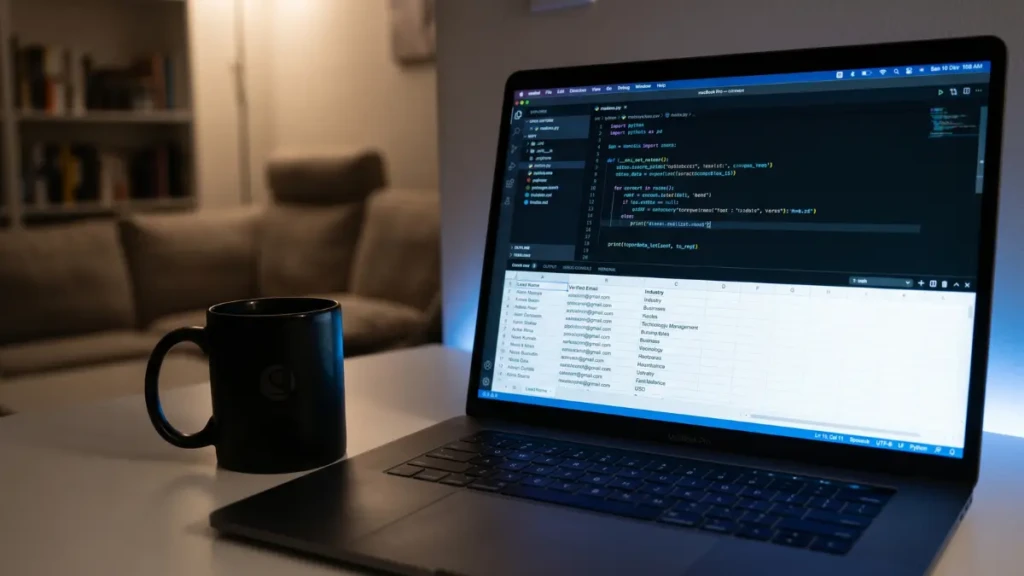
It sounds complex, but the execution is incredibly simple. You use AI and manual research to scrape, clean, and organize highly specific business information into a downloadable format (like a CSV file or Markdown table). You then sell this data file to businesses that desperately need it to run their own marketing campaigns.
There are no client onboarding calls. You are simply creating a digital asset in private and selling it via automated emails.
2. The 2026 Market Demand: Why Companies Pay for This
Why would a business pay you $500 for a spreadsheet? Because finding accurate, up-to-date leads is the biggest operational headache for B2B sales teams.
Information on the internet is chaotic. If a medical software company wants to pitch their new product to dental clinics in Ontario, they have to pay a junior employee to spend 40 hours manually Googling clinics in Oakville, Burlington, and Hamilton, verifying emails, and finding the names of the head dentists.
If you have already done that work and compiled a flawless, structured list of 250 verified contacts, that software company will gladly pay you $500 to download it instantly. You are selling them speed.
3. Step 1: Choosing a High-Ticket Niche
To make 500 a week from home, you cannot build generic data lists. You must target high-revenue industries that have the budget to buy data.
Profitable 2026 Niches:
- Immigration Law: Law firms are actively looking for structured lists of businesses that rely on Canadian immigration pilot programs or specific US H1-B visas.
- Specialized Healthcare: Aggregating contact data for private physiotherapy clinics, med-spas, or boutique dental practices.
- Local Agencies: Building targeted lists of high-end real estate brokerages for performance marketing agencies to pitch their services to.
4. Step 2: Building the Asset (The AI Workflow)
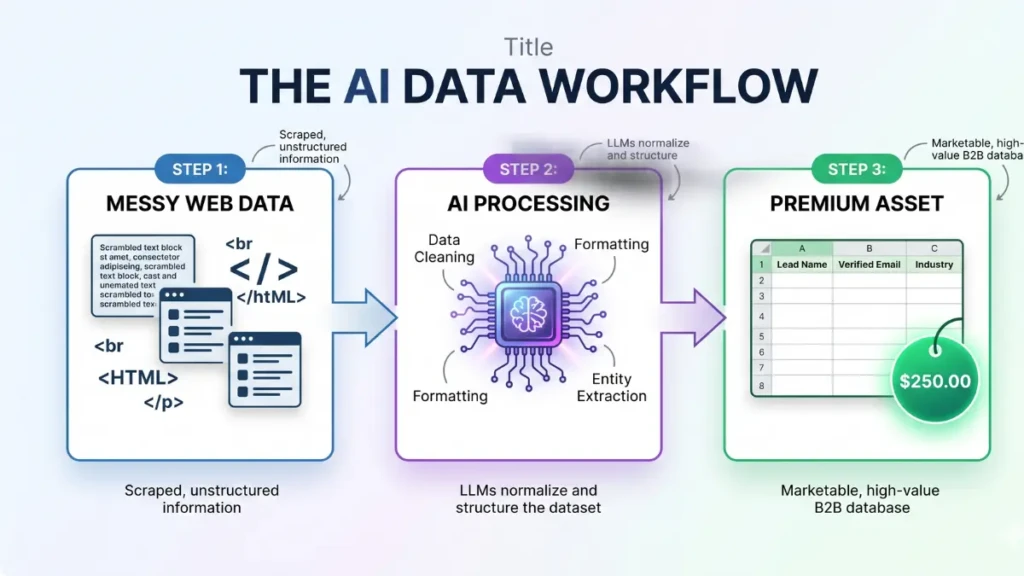
This is where you execute the work silently.
- The Collection: Use web scraping tools or basic manual research to find your target businesses.
- The AI Cleanup: Raw data is messy. Paste your raw findings into an AI tool and use a strict prompt to organize it: “Format this raw text into a structured CSV table. Extract the Business Name, Decision Maker, Verified Email, and Phone Number. Remove any duplicates.”
- The Verification: Use an email verification tool (like Hunter.io or NeverBounce) to ensure every email on your list is active. A list with “bounced” emails is worthless; a list of 100% verified contacts commands a premium price.
5. Step 3: The “Zero Meeting” Sales Machine

Because this is a silent side hustle, your sales strategy relies on predictable, automated revenue systems.
- The Setup: Host your CSV file on a simple, digital checkout platform (like Gumroad or Stripe Payment Links).
- The Outreach: Send a highly targeted, plain-text cold email to the Marketing Director of the companies that need your list.
- The Pitch: “Hi [Name], I just spent the last week manually building and verifying a structured data list of 250 [Niche] businesses in [Location]. Every email is verified. You can download the CSV directly here for your outbound team: [Link].”
If you email 50 marketing directors and just two of them buy your $250 list, you have made your $500 for the week without ever speaking a single word out loud.
Expert Insight: The Structured Data Premium
We asked a B2B revenue consultant why data aggregation beats traditional freelance side hustles.
“Freelancing requires you to trade time for money. If you are a freelance writer, you get paid once for an article. Data aggregation is a scalable asset. Once you build a hyper-accurate, structured CSV list of 500 travel agencies in Canada, you can sell that exact same digital file to twenty different software companies, travel credit card affiliates, and marketing agencies. You build the asset in silence once, and it pays you indefinitely.”
Frequently Asked Questions (FAQ)
Is web scraping and selling data legal?
Yes, aggregating publicly available information (like business names, public company emails, and public phone numbers) is completely legal in the USA and Canada. However, you must ensure you are not scraping private consumer data (PII) or violating specific anti-spam regulations (like CAN-SPAM or CASL) when sending your cold outreach emails. Stick strictly to B2B (Business-to-Business) data.
Do I need a website for an introvert side hustle?
No. While a professional domain name makes your cold emails look more authoritative, you do not need to design a massive 5-page website. A single, minimalist landing page that hosts your checkout link is all you need to start processing payments.
How many hours a week does this take?
Once you establish your AI workflows and data-cleaning prompts, maintaining this introvert side hustle typically takes 5 to 10 hours a week. The bulk of the time is spent executing the initial research; the sales process is highly automated.
Can I do this entirely from my phone?
While you can manage the emails from your phone, aggregating, cleaning, and formatting structured data into CSV files requires the precision of a desktop or laptop environment to ensure the final product is flawless.
Scale in Silence
You do not have to be an extrovert to capture your share of the digital economy. By identifying a painful B2B bottleneck and utilizing AI to organize structured data, you can build a highly lucrative asset completely out of the public eye. Skip the social media grind, focus on hard ROI, and start building your silent revenue engine today.
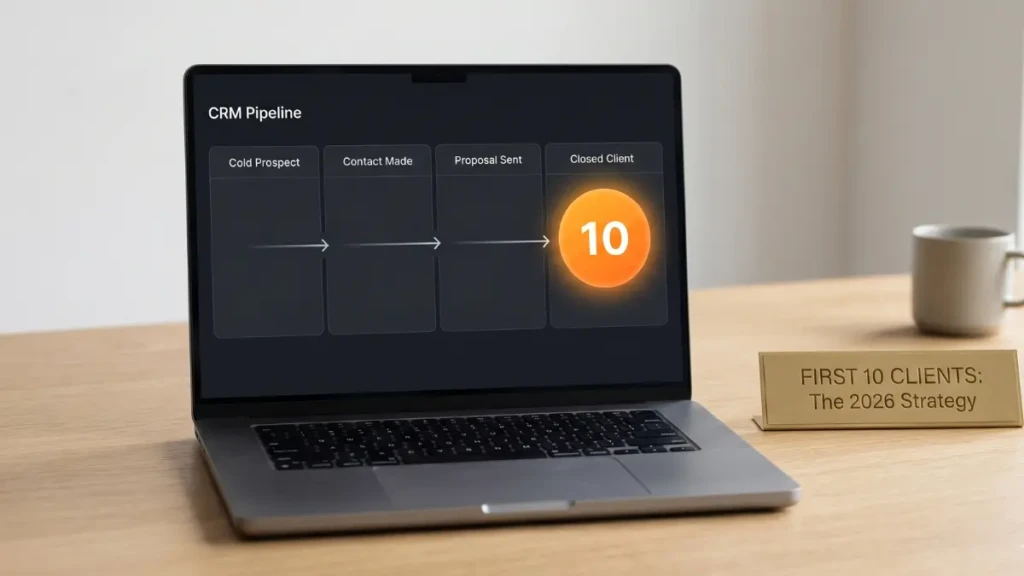
Ready to scale your outreach without hopping on a sales call? Discover the mechanics in our guide on [How to Get Your First 10 Clients: The 2026 Blueprint].